Logo

Logo

Monday, June 22, 2015

Insect Allergy- What You Need to Know.


 Spending times outdoors this season is such a pleasure, but being bitten by insects can put a damper outside activities.
This is what you need to know now to protect yourself from reactions to insects.
What are signs and symptoms of an insect bite?
·       Pain, swelling and redness confined to the sting site
·       Intense itching at the site.
·       In severe cases, insect bites can cause severe allergic reactions that can result in death.
When Should You Be Worried about An Insect Sting?  
·       There are 3 types of reactions an insect can cause:  a local reaction, a large, local reaction and a systemic allergic reaction.
·       A normal local reaction will result in pain, swelling and redness confined to the sting site.
·       A large local reaction will result in swelling well beyond the sting site. For example, a sting on the forearm could cause the whole arm to swell - a condition that usually peaks two to three days after the sting and can last a week or more.
·       A systemic allergic reaction is the most serious and requires medical attention. Symptoms of a systemic allergic reaction can range from mild to severe.
·       If you’re worried at all, seek immediate medical advice.

What’s Most Likely to Bite Us?
·       Mosquitos, fleas, chiggers, and bed bugs- most likely will cause a local allergic reaction.
·       Wasps, yellow jackets, hornets, and bees are the cause of the majority of insect stings- sting insects that can cause a local and/or total body allergic reaction.  About 3 out of 100 adults have severe allergy to flying insects resulting in potentially deadly reaction. 
·       Fire Ants (red or black) - extend from the southern US up into NY.  Bites from these insects typically cause a blistering reaction.
How Can you Prevent Insect Stings/Bites?
  • Always wear shoes when walking in the grass. Many bees burrow in the ground and you can unsuspectingly step into their nest.
  • Wear bug sprays like Off or Deet.  Wary of harsh chemicals?  Geraniums and citronella are natural mosquito propellants.
  • Don’t drink from open soft drink cans; stinging insects are attracted to them and may crawl inside.
  • Cover food when eating outside.
  • Don’t use sweet-smelling perfume, hairspray or deodorant.
  • Avoid wearing brightly colored clothing with flowery patterns.
  • Protect your legs, arms and body with long pants/long-sleeved shirts when working outside.
  • Use caution near bushes, attics and picnic areas. 
How can you Treat Insect Bites?
Local and large local reactions can most likely be treated with OTC anti-histamines and topical steroids.  Some large local reactions will need medical care.
Systemic allergic reactions ALWAYS require medical attention.  Lifesaving epinephrine may be administered.  If you have a reaction, seek treatment from an allergist.  They have treatment that can potentially you of your insect sting.   

Need more help or have questions?  Schedule anappointment here.

Want more information?


Monday, May 4, 2015

Can Pollen Cause Food Allergies?


Spring not only brings out beautiful flowers, but the produce in the grocery stores and farmers markets looks so delicious.  Fresh fruits and vegetables for some are cause for fear.  Biting into them causes small water filled blisters and itchy lips.

Is it Possible that Pollen Can Cause Food Allergies?  


  • Nature uses similar patterns over again as building blocks.  Patterns similar on various pollens look like proteins that are also present on fruits and vegetables.  Direct contact with these patterns say when biting into for example, a fresh apple, may cause a local reaction.  
  • This is called oral allergy syndrome or pollen-food syndrome


What are Typical Cross Reacting Pollens and Foods?

Birch Pollen:  Apples, almonds, carrot, peanut, carrot, celery, cherry, hazelnut, kiwi, peach, pear, and plum

Grass Pollen- celery, melon, oranges, peaches, and tomato

Ragweed- banana, cucumber, melons, sunflower seeds and zucchini

What Are Symptoms of Oral Allergy Syndrome?

  • Itchy mouth, scratchy throat or localized swelling of lips, tongue, or throat
  • Itchy ears
  • Symptoms localized to the area of contact
How Do you Diagnose Oral Allergy Syndrome?


  • See your allergist.  Food allergies can be dangerous and lead to life threatening events.  You want to be sure that you have oral allergy syndrome and not a true food allergy.
  • You may need epinephrine and/or other allergy medication.  Your allergist will be able to help determine a specific anaphylaxis plan.  
  • Want to be evaluated for oral allergy syndrome?  Book an appointment here.   Gramercy Allergy and Asthma is located near Union Square at 205 East 22nd Street New York, NY 10010


Thursday, April 23, 2015

Can Allergies Cause My Headaches?

When headaches strike, most of us run through a list of typical causes and reach for some ibuprofen for quick relief.  But what if you have allergies?  Should you be reaching for allergy treatment to get headache relief instead?  

Millions of people suffer from allergies and don't even know it. Identifying headache triggers is an important tool in the prevention of headaches.  Patients commonly complain of symptoms of facial pain and pressure, eye pain, and in increase in headaches in the spring.  These are typical signs of a sinus headache.  Many have missed an obvious important environmental trigger for their pain - pollen and other environmental triggers.
 
How Can Allergies Cause Sinus Headaches?


Picture of the Human Sinuses


  • Sinus cavities are hollow spaces with openings to the nose allow the flow of air and mucous into the nose.
  • Cavities are located over the cheeks (maxillary sinuses), forehead (frontal sinuses), and over/between eyebrows (sphenoid and ethmoid sinuses) (See above diagram).
  • Breathing in breathing in pollen, pet dander, dust, and other allergic triggers can trigger localized inflammation in the sinus cavities
  • Allergic inflammation can trigger pain and pressure in the corresponding area face.
  • Allergic inflammation triggers localized swelling in the sinuses that disrupts normal blood flow and drainage of blood and mucous. 
  • This buildup of pressure causes pain and allergic inflammation known as allergic sinusitis.  
What are Signs of Sinus Headaches Caused by Allergies?
  • Chronic pain and tenderness over the cheeks, forehead, and area between or behind the eyes.
  • Stuffy nose, sneezing, ear pain or pressure, ear fullness, or facial swelling
  • Loss of smell
  • Post nasal drip
  • Triggers of seasonal variation, for example, a headache you get every spring, fall, or with exposure to cleaning.
  • Have other diseases triggered by allergies like asthma, eczema, or allergies in your nose or eyes?  Allergic diseases tend to run together.  If you're an "allergic" person, then allergies in your sinuses might be triggering your allergies.
  • Suspect you're an allergic person, but aren't sure?  Take this easy quiz How Do I Know If I Have Allergies?
How Can You Treat Sinus Headaches?
  • If you suffer from headaches, see your primary doctor for a complete evaluation.
  • Suspect you have headaches triggered by uncontrolled allergies?  See an allergist to get tested to identify potential allergic triggers.
  • An allergist will be able to help formulate a specific plan that will include:
    • avoidance measures, 
    • direct medications and 
    • possibly offer allergy shots (a way to desensitize you to your allergic triggers)
  • Want more information on headaches?  Learn more at Allergies and Headaches or The National Headache Foundation.
Have more specific questions for me?  Schedule an appointment here.

Monday, March 9, 2015

How Can You Be Prepared for New York's Spring Allergy Season?


How Can You Be Prepared for New York's Spring Allergy Season?

The arrival of spring is on everyone's mind after all of the snow and bitter cold temperatures we've had this past winter.  Longer days and more sunlight will soon trigger tree's to start pollinating.  Tree pollen in New York is potent and causes many to suffer from symptoms of itchy watery eyes, runny nose, sinus headaches, and cold like symptoms.

What Can You Do to Be Prepared for New York's Spring Allergy Season?

Here are 5 simple tips to keep you feeling great this spring season.

Get Tested
Knowing what you’re allergic to and what triggers your symptoms is the first step to avoiding the offending pollen.  There are many non-medical ways of avoiding allergens. 

Start Medications Early
Your allergist will help you create a plan of when to start medications, and which medications work quickly. Taking allergy medications early and as directed can prevent you from developing severe symptoms that can interfere with your work, school and life. 

Rock a Hollywood Look
Always pack and use sunglasses this spring.  Glass help protect your eyes from airborne pollens and dust.  This will help stop itchy watery eyes without the use of medications.

Change Your Routine
Showering at night will help wash away airborne tree pollens off your hair so you aren’t carrying them into your bed at night. 

Spring Board Your Exercise Routine For the Beach Season
Tree pollens are highest in the morning.  Change your exercise routine from morning to evening to help naturally decrease your exposure to tree pollen.

Want more specific advice on surviving New York’s Allergy Season?  Visit our website http://www.gramercyallergy.com or click here to schedule an appointment online.


Thursday, February 5, 2015

7 Fun Ways to celebrate Valentines Day Allergy free this year!

Celebrating Valentine's Day with someone who's allergic can be challenge.  Here are a few tips to help you have a fun allergy free Valentines Day.  You'll be spreading love, not allergies!


1. Eat Chocolate!
Want to surprise your loved one with chocolate? Go for a dark one! Dark chocolate is filled with flavanoids, strong anti-oxidant chemicals that help to reduce inflammation. Dark chocolate is milk free making it a perfect gift if your loved one is allergic.
2. Play!
When you have a partner, you have an instant playmate. Take advantage of it and organize a game of indoor tennis, hit the gym, take a dance class, or go for a romantic walk. More and more evidence points to the role of exercise in keeping not only your body fit, but your immune system functioning at it's peak performance.
3. Relax!
Thinking of doing something special for loved one? Try a massage. Use mineral oil to prevent an allergic reaction if your partner has sensitive skin.  Physical affection helps to decrease cortisol levels, a key hormone that leads to inflammation.

4. Kiss!
 Did you know that food proteins can be transferred in the saliva causing an unwanted allergic reaction. To prevent a kiss from being dangerous, avoid foods that might trigger a reaction in your partner.  If there's no food allergies, then go ahead and give your loved one a kiss. It's can be the perfect allergy free gift.
5. Give Flowers!
Roses, tulips daffodils and orchids are some of the least allergenic flowers. Stay away from daisies, goldenrod, sunflowers, chamomile, and chrysanthemums.  They are among the worst. 
6. Cook!
Cook a meal filled with fresh fruits and vegetables. You’ll know exactly what the ingredients are in the meal.  Use a rainbow of different ingredients and colors to include key vitamins like C, D, E, A, and Zinc that are vital for you immune systems function. Here are tips on Allergy Free meals

7. Quit!
Do you smoke? Tobacco smoke is linked with increases in upper respiratory illnesses, asthma exacerbations, and ear infections. Make quitting your ultimate gift for your loved ones! Need tips?  Quit Here! NYS Smoke Free

Above all else, have fun this Valentine’s day with your partner and show those around you how much you love and appreciate them!
Need more ideas?  Visit Gramercy Allergy And Asthma or book an appointment here.

Thursday, January 29, 2015

How Do You Know If You Have Allergy, Asthma or Eczema?

Allergies, asthma and eczema (skin allergy) affect millions of people and many don't even know they have allergy.  What are signs?  A stuffy nose when you sleep at night, constantly blowing your nose,  always being itchy or a nighttime cough are just a few of the symptoms that indicate you might have allergies, asthma, and/or eczema.

Here are some other questions to ask yourself to help determine if you have allergy.

1) Do you cough or have trouble breathing when you walk, do simple chores or go outside in the cold?

2) Do you avoid exercise or taking part in sports like jogging, soccer, swimming or aerobics because you have trouble breathing or cough?

3) Do you have trouble sleeping through the night because of a dry cough or shortness of breath?

4) Do pets, dust or pollen make your breathing more difficult?

5) Do you dread the change of season because you know you'll get a cold and/or sinus infection?

6) Do your eyes itch, get red or puffy?

7) Does a cold often go into your chest and leave a lingering dry cough?

8) Do you get frequent rashes or are always itchy?

9) Do you have sneezing attacks?

10)  Does tobacco smoke or strong odors make you cough?


If you answered yes to more than 2 questions, you  are likely have allergy.  See an allergist to get tested and determine exactly what is triggering your symptoms and how you can avoid it.  Allergies are treatable.

Need help?  Visit our website www.gramercyallergy.com or click here to schedule an appointment.

Sunday, December 7, 2014

Why Are My Lips Itchy and Dry?

Cold temperatures and harsh winds can bring about dry itchy skin and peeling lips.  Lip balm usage is on the uptick this holiday season.  More are looking for protection and treatment for delicate skin, covering lips so they look their best at holiday parties and date nights.

For some, the entire answer to why their lips peel and itch isn't just the extreme weather.  Is it possible that an allergy can make your lips peel and itch?  Of course!

Chemicals we use on our face and hands is a common cause of itchy, dry and irritated lips. This condition is called lip contact dermatitis.  Often people think they just have "dry" lips and continue using the products that are actually the source of the problem.  Chemicals in lipsticks, lip balms and nail polish are common sources of the irritations to lips.

What causes lip contact dermatitis?
  •  Inflammation and irritation of the lips caused by common chemicals in make-up , toothpaste, lipstick/balm, facial wash, and products we use our hands.
  • Repeated application of chemicals causes allergic sensitization
  • Common chemicals that cause lip contact dermatitis include:
    • shellac- commonly found in lipsticks/lip balms
    • fragrance- commonly found in most personal care products, gum, mouthwash and toothpaste
    • nickel- contamination in some make-up or transferred from lip product container
    • sunscreen
    • varnish found in nail polish
    • preservatives- commonly found in all personal care items.
  • Irritants from toothpaste, lip balms and licking lips can also cause a non-allergic dermatitis 
What is the treatment for lip contact dermatitis?
  • Identification of the chemical allergy and avoidance will cure the dermatitis.
  • Evaluation by an allergist will help determine if the irritation, infection or is caused by an chemical allergy or a irritant reaction.  
  • Patch testing for common chemicals used in the personal care products will help determine what to avoid.
Need more help?  Call the office or schedule appointment here.

Monday, November 17, 2014

How To Deal With Food Allergies When You're A Guest At Thanksgiving?

Thanksgiving is one of my favorite holidays.  There's always space at the table for unexpected friends or family members to join in a huge communal feast.  If you have food allergies, getting the invite to go a  new home is scary.  You have to confide in your friends information about your health and potentially something that can make you very sick.  Having food allergies shouldn't stop you from enjoying the generosity of others.

Here are 5 easy tips to deal with food allergies at Thanksgiving:

1) Communicate
  • Give your host ample time to make substitutions to the menu by telling them clearly your allergies. Bring it up one time and then avoid constant reminders about your allergy
  • Find out what the menu will be and if they are planning on cooking with something that causes a food allergy
2) Offer to help
  • Offer to bring the salad, stuffing or dessert.  This are foods that often have multiple ingredients that can be difficult to identify.
  • If your allergy is especially difficult to avoid, then offer to bring food for yourself.
  • There are easy substitutions for milk, eggs, and nuts available.  
    • Milk- any of the milk substitutes (coconut milk, rice milk, soy milk, almond milk, oat milk etc) can be used 1:1 in any recipe.
    • Eggs- applesauce and banana's are great substitutes for cookies and cakes.
    • Nuts- keep them on the side, or make 2 dishes 1 with and 1 without.
    • Here's a great website for more information Cooking with Food Allergies
3)  Educate yourself
  • Sit down with your allergist and put together a specific plan on what to do if there's an accidental ingestion.
  • Consider foods that might have hidden ingredients (cocktails, baked goods, stuffing, mashed potato etc..)
4) Be prepared
  • Be sure to have an epinephrine auto-injector in your bag along with an anti-histamine.
  • Consult with your allergist about recipes and ideas on how to approach the situation.
  • Know where the closest hospital is in case there is an accidental ingestion.
5) Enjoy yourself
  • Trust those around you to take your allergy seriously.  
  • Don't let your food allergies spoil the holidays. 
  • Here's to your good health and those around you 
Need more specific help?  Please call the office or click here to schedule an appointment


Friday, November 7, 2014

What's New in Skin Allergies? D-Day for Skin Deep Allergies

Being itchy and scratchy all over is one of the worst things to experience.  Symptoms interfere with sleep, work, and your life.  Scratching can leave your skin scarred and damaged.   Many of my patients come to me with difficult to treat rashes.  They've gone from doctor to doctor and treated with topical steroids without anyone finding the cause of the itch.

 Did you know on an average day we are exposed to over 128 chemical in our personal care items (shampoo, cosmetics, deodorants, etc)?  These rashes are called allergic contact dermatitis.  Over 14.5 million people have chemical allergy & many of these are children!  I love trying to find the cause of why my patients are itching- it is one of my favorite puzzles to solve.   Anyone who's read my blog in the past knows I often write about these allergies- shellac allergy, formaldehyde resin allergy, and; methyldibromo glutaronitrile

Chemicals like preservatives and additives in our products trigger difficult to treat rashes like lip, eye lid, and foot rash.   I do extensive chemical & environmental allergy testing in my office in the hopes of identifying the trigger for the itch.  This is a huge win in any of my patients care.  Avoidance of the offending chemicals can lead to complete resolution of the rash- without medications.  Common chemicals that cause contact dermatitis include fragrance, cocamidopropyl, formaldehyde, nickel and so many more.  

Today, I attended D-Day for Skin Deep Allergies and Patch Testing a full day conference put on by the American College of Allergy, Asthma and Immunology in Atlanta, Georgia.  The room was filled with over 100 other Allergists/Immunologist just as excited as I am about finding the cause of a rash.  
I'm spending the entire weekend in Atlanta at the College's meeting and will bring my expanded knowledge base back to New York to help my patients.  
  • Why do my lips itch?
  • What's the cause of my foot rash?
  • How much nickel can I eat if I'm nickel allergic?
  • What's the cause of eye lid rashes?
  • Why am I itchy all over?  
Stay tuned- I'll be writing more on these and other topics I learn at the American College of Allergy Asthma, and Immunology's 2014 conference!

Need help with a difficult to treat rash?  Suspect you have contact dermatitis?  Call the office 212-679-3574 or click Gramercy Allergy & Asthma to schedule an appointment.

Monday, November 3, 2014

How to Prevent Colds this Winter....

This time of the year temperatures are all over the place.  The drop in temperature also brings out activities of cold virus.  Colds cause for significant disruption to our lives, work, and social interactions.

Everyone's goal during cough and cold season is to keep healthy. As an immunologist, I'm often asked about natural ways to prevent viruses from taking hold and to reduce the time of a cold.

Here are my 5 top tips.  I hope they keep you cold free this year!
1) Wash your hands! 
  • You've heard it before and you'll hear it again.  Frequent hand washing is the number one way you can prevent colds.  Your hands bring germs and viruses to your nose, mouth and eyes where they gain entry and cause illness. Keeping your hands germ free will help keep you germ free.  Wash or use portable hand disinfectants after riding the subways, before eating, after shaking hands, or anything you think of it.  Aim for 20 seconds at least with warm soapy water. 
2) Eat a rainbow of foods each day!
  • Fresh fruits and vegetables, whole grains, seed and lean proteins will ensure you are getting enough essential vitamins and nutrients to keep your immune system working at maximum potential!   Critical vitamins involved in the immune reaction are Vitamin A (think anything orange like pumpkin and squash), Vitamin C (oranges and grapefruits), Vitamin D (the sun!),  Vitamin E  (nuts and sunflower seeds) and Zinc (oysters & chickpeas). Vitamins, anti-oxidants and bacteria are natural ways to maintain this balance. 


3)  Keep your fluids up!
  • Water helps keep your skin and outer mucosal functioning at it's best.  These surfaces are the first line defense against germs and viruses. 
  • Shoot for 4-5 8 ounces of water per day.  Live in a dry apartment?  Drink at least an 1-2 glasses more.
4) Maintain regular exercise and sleep program!
  • Did you know that regular exercise helps boost the activity of critical immune cells in fighting off germs and viruses? 
  • Even if you're getting sick low intensity exercise will reduce the time of the illness.
  • Sleep is when your body repairs and rejuvenates itself.  As we enter the holiday season, increased parties and plans often infringe on our time for sleep, but shoot for 7-8 hours a night to keep your body in it's best form. 
5) Disinfect Germ Magnets!
  • The phone- Your home, office and personal phone are way stations for viruses.  They can survive on them for a few hours to days.
  • Remote controls- touched by everyone in the family, but least cleaned.  During cold season, try and wipe off at least once a day.
  • Keep boards and computers- we sit at them for hours a day sneezing and breathing on them.  Make sure to wipe them off several times a week to keep yourself healthy
  • The bathroom- yuck...faucets and door knobs are touched by everyone in the house and office.  This is the perfect place to pick up viruses.  Make sure faucets and knobs are getting disinfected frequently.   
Hopefully these tips will keep you cold free this season!


Need more personalized care?  Call the office or  schedule an appointment here.

Tuesday, October 21, 2014

How To have Fun on Halloween When You Have Allergies!


Haunted houses, witches, goblins and super-hero costumes  bring smiles and scares during Halloween.  It's a wonderful time of the year to allow your imagination to go wild and have fun!
For parent's of children with seasonal allergies, food allergies and asthma there are potential dangers lurking in trips to the pumpkin patch, makeup, Halloween candy, and party treats.


What are some tips so you can enjoy all the Halloween fun when you have food allergies and asthma?

1) Do your kids have food allergies?  Don't be Scared, Be Prepared!
  •  Feed your kids dinner before going trick-or-treating.  That way they won't be tempted to eat candy before you have a chance to check it for potential allergens.
  • Talk to your neighbors.  Provide them with "safe" treats specifically for your children. 
  • Throw your own Halloween party so you can "control" the types of treats provided.
  • Talk to you kids about not eating candy until you've had a chance to inspect it.
  • Make sure they have emergency medication  including auto-injectable epinephrine & a cell phone when they are trick or treating just in case there is an accidental exposure. 
2) Heading to a Pumpkin Patch, don't let asthma and allergies get in the way of the fun!
  • Make sure your children take there maintenance medication before they head out to the farm.  Hay, leaves, and mold can often trigger an attack. 
  • Bring albuterol and extra anti-histamines along with you.
  • Use scarfs to warm up cold fall air to help prevent asthma
  • Listen for warning sounds- sneezing, runny nose, and coughing are signs that a reaction is happening. 
3) Choose Wise Costumes When Your Kids have Allergies and Asthma
  • Use care with Halloween make up if your child has eczema.  Harsh chemicals and dyes can often trigger an eczema flare.
  • Masks are great a great addition to a costume, but also mask if you're child is having an allergic reaction.  They can also make it difficult to breath if your child has asthma.  Use costumes with glasses, wigs, hoods, and funny hats instead.
  • Is your child sensitive to latex?   Be sure to read the costume labels carefully to avoid potential exposure.
Want more tips?  Check out the American College of Allergies website


Want more tips- call the office 212-679-3574 for an appointment or book on line.


Most of all Happy Halloween!


Friday, October 3, 2014

What Is Propolis Allergy?

What is Propolis?
Propolis, bee glue, is an increasingly important contact allergy because of it's increased use in "natural products". Just because it's natural doesn't mean you can't have an allergic reaction to the substance.


Benefits of propolis - propolis health (3)
  • Propolis is a glue made by hone bees to build, repair and protect their hives.
  • It's made up of digested resins (natural glues), buds from trees, and bark that bees mix with bee wax.
  • It becomes a mixture of balsams and resins, waxes, essential oils, pollen and cinnamyl alcohol, vitamins A, B, C and E, flavanoids and minerals.
  • Overall, the chemical composition of propolis is highly variable depending on where the bees live and the types of trees they use to manufacture their glue.
  • It can be listed on an ingredient list as propolis, cera flava, and cera alba.
What is Propolis Used For?
  • For 1000s of years propolis has been used by humans to treat infections, wounds, and as a varnish.  It's believed to possess antibacterial, antifungal, and antiviral properties.  Given these properties, propolis is a common additive in many "natural" products.  The increased exposure to propolis has increased our sensitivity and allergic reaction to it. 


In modern times, propolis is used as:
  • Emulsifying and thickening agent in many cosmetics.
  • Food additive for coating and glazing candy and fresh fruit
  • Natural over the counter sprays for sore throats, mouth lozenges, cough syrups, ointments, lotions, drops and oral pills.
  • Anti-septic agent in many homeopathic and natural medicine
  • Varnish for violins
How Do you Know If You Are Allergic To Propolis?
  • Many people with propolis allergy will have a rash on/or around mouth (from using topical ointments with propolis), or rash at the site of application (typically face, arms and legs).
  • Propolis is used in many "natural" cosmetics and homeopathic remedies.  Exposure from these products can cause a rash at the site of application.
  • Many people with allergy to propolis are also allergic to balsam of peru, colophony, beeswax, clove oil, and tree buds
  • Bee keepers, violin makers, and persons who make handmade boots are at increased risk for developing propolis allergy.
  • If you suspect propolis allergy, see an allergist for patch testing to determine the specific cause of your rash
Need more help or have questions?  Reach out to the office at 212-679-3574 or our website gramercyallergy.com to schedule an appointment. 


Wednesday, September 17, 2014

How Can You Be Prepared for Ragweed Season?

Fall is in the air and with it brings ragweed pollen! 

Did you know?
  • Ragweed pollen, considered to be one of the most allergenic pollens begins pollinating in mid August and goes through mid fall. 
  • One in 10 Americans suffers from sensitivity to ragweed pollen- runny nose, sneezing, itchy watery eyes, coughing, and asthma attacks are just some of the symptoms you might experience if you're allergic to ragweed. 
  • One plant alone can produce up to a billion pollen grains.  The grains travel over 100 miles! 
  •  Ragweed was so prevalent in NYC in the early 1900's that there was a movement to remove it from the streets.  Despite their efforts ragweed still grows in the city. 
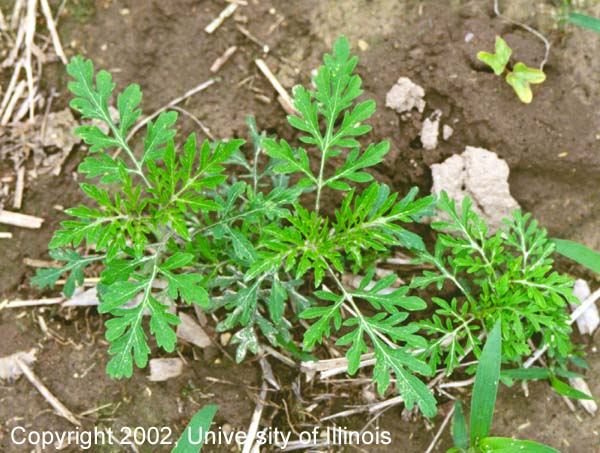
Below is what ragweed looks like. 
Common ragweed vegetative plants

What Can you Do to Be Prepared for Ragweed Season?  Here are 5 Easy Tips to Keep you Feeling Healthy!


1) Get a jump start- Mid-August is when ragweed starts to bloom.  Mark your calendars so you can start your medications before the plants get into full swing.

2) Keep pollen outside- shower if spending the day in the park, wipe dogs down with a wet wash clothe and keep your windows closed to prevent the pollen from entering your home.

3) See an Allergist-
an allergist will test you to identify what you're sensitive to and create a personalized plan for you and give you advice on how to prevent symptoms.

4) Consider a cure- if non-prescription medication isn't controlling your symptoms, consider allergy shots and/or sublingual treatment for allergies.  Recently released there are now pills you can take to orally desensitize yourself to ragweed pollen called Ragwitek.


5) Don't stop your medications- Because the nasal and eye symptoms of associated with ragweed allergies can linger after the pollen can no longer be detected in the air , don’t stop your allergy medication immediately.


Need personalized help from Dr. Jennifer Collins?  We are glad to help- visit our website Gramercy Allergy & Asthma to book an appointment or call the office- 212-679-3574.


Monday, September 15, 2014

How Can You Keep Your Skin Beautiful When You Have Eczema?

Eczema, an itchy red rash, is a common cause of embarrassment for the 30 million people who are affected.  It can affect any part of your body, but typical areas are the backs of knees and arms, and usually starts in childhood.  Eczema is typically associated with other allergic diseases like food allergies, hay fever and asthma.   Caring for skin when you have eczema can be problematic and often prompts the question what's the best way of keeping your skin beautiful and in control when you have eczema? 


To keep you skin looking beautiful and healthy you need to know the cause, symptoms and  triggers of your eczema.


What Causes Eczema?
  • The cause of eczema is unknown but it's often inherited. 
  • There is an itch scratch cycle that causes skin to be inflamed and irritated.
  • A variety of factors including allergic sensitizations to dust mites, roach, pollens, and chemical, changes in temperature and humidity. 
  • Exposure to these items can cause an unexpected flare of itchy skin. 
What Are Symptoms of Eczema?
  • Dry irritated skin
  • Intense Itching
  • Red patches
  • Scaling, oozing or scratching till you bleed
What Are the Triggers of Eczema?
  • Did you know that eczema is often triggered by allergies?  Common things like dust mites, roach, and pollens can cause a flare
  • In children eczema is often caused by a food sensitivity to egg and/or milk.
  • Chemicals like fragrance and preservatives in your make-up, personal care products and sunscreens can also cause a flare.
  • See an allergist to get evaluated and tested to determine what is driving your eczema.  They will test you for environmental & food allergies and may suggest testing for chemical sensitivities.
How Can you Best Care for Your Skin?
  • Eczema is a state with the skin is dryer than someone with non-eczematous skin
  • Use luke warm water in the shower with a gentle soap
  • Moisturize, moisturize, moisturize!  Keeping your skin moist with lubricants will help it heal and protect it from outside exposures.
  • After showering, pat skin dry and then immediately apply a moisturizer to trap in any water on your skin.
  • Hydrate from the inside out with plenty of water.
  • Avoid scratching.
What more information on a specific plan for you eczema?  Call the office to schedule an appointment 212-679-3574 or visit our website to  book an appointment.


Want more information on eczema?  Reach out to the National Eczema Foundation

Want more information on me?  Book an Appointment Here Check out our website Gramercy Allergy and Asthma.


Follow us on Facebook facebook.com/gramercyallergy.com
@gramercyallergy


Monday, August 25, 2014

What Should You Do if You Are Allergic To Vaccines?

Whether it be vaccination for the flu or meningitis, everyone is talking about vaccines this time of the year.    Public vaccination against diseases is one of the most important scientific achievements of all time and has increased our health and life span.  Summer is the perfect time to get your children vaccinated before returning to school or starting college.


But it raises an interesting dilemma for some persons with vaccine allergy. What should you do if you suspect you are allergic to vaccines?


What is Vaccine Allergy?
  • A reaction to vaccination can be either:
    • Immediate- these reactions take place within 1 hour of vaccine administration.  Symptoms include hives, swelling, itching, or anaphylaxis
    • Delayed - these reactions take place more than 1 day after the vaccination.  Symptoms generally include a total body rash and possibly a fever.
What Causes Vaccine Allergy?
  • Depending on the vaccine,  there are different components that can cause an allergic reaction.  Common components that are known to cause an allergic reaction are:
    • Gelatin
    • Egg
    • Chicken
    • Cow's Milk
    • Yeast
    • Antibiotics (neomycin, polymyxin B, and streptomycin) 
    • Latex
    • Thimerosal, aluminum, and phenoxyethanol 
Does Being Allergic to A Component Mean you Can't Be Vaccinated?
  • No. If you suspect an allergic reaction to a vaccine you should seek evaluation by an allergist/immunologist.
  • They will test you to determine the cause of the allergic reaction.
  • Once they've identified the allergen, they will help formulate a plan for safe vaccination.
Bottom Line
  • Vaccination against disease is one of the most important ways we have against preventing disease
  • Don't let suspected allergy prevent you or your child from vaccination
  • See an allergist to get help in determining what the allergy is and how you can proceed safely with vaccination.
Need help?  Please call or visit our office at 212-679-3574 or 205 East 22nd Street, NY, NY 10010


Wednesday, August 13, 2014

Does Diet Affect the Development of Allergies?


Pregnant and new moms often ask me about the role of nutrition in developing allergies.  Rightfully so.  Over the past decade, the incidence of allergic disease has increased from 20 to 30%.  Peanut and other food allergies are rampant in schools.  Asthma in children is on the rise.  The incidence only continues to increase for unknown reasons.  They want to know- “Can diet cause or prevent allergies?” 
I’ve written before (Food Allergy- the ugly, the bad, the good....) about the complex interaction between nutrition, environmental exposures, genetics, infections and other unknowns play a role in the whether a person develops allergies or not. 

There is some promising news though….

Researchers in Europe in a quest to find the answer looked at the role of a “diverse” diet during the first year of life and the development of food allergies, asthma and atopic dermatitis (eczema).  

They followed the diets of 856 children from year 1 to 6 years of age looking at the development of eczema, allergic rhinitis, asthma and food allergies. 

What did they find? 
  • Children with a more diverse diet were at lower risk for the development of allergic disease.
  • This included- asthma, food allergies, allergic rhinitis, and eczema.


Bottom line- Does Diet Affect the Development of Allergies?
  • We don’t know the answer to the cause and more importantly, how to prevent the development of all types of allergic diseases.
  • Nutrition does appear to influence the development of allergies.
  • Eating a more diverse diet appears when you are young has an inverse relationship with the development of allergies.


 Want to read more?  Abstract

Have specific questions about allergies?  Please call the office 212-679-3574 or go to our on-line appointment scheduler .

Thursday, July 17, 2014

How Can You Travel Safely With Allergies?

Summer is finally in full swing!  Bags are packed and people are heading out of town to enjoy a respite from the city heat.  Traveling with allergies can be difficult and I've put together these easy tips that I hope will make your trip more focused on R & R and less about your allergies.

Have food allergies?

  • Do a quick search to see what restaurants in the area are friendly for those with allergies.
  • Have a travel anaphylaxis kit to carry in you carry on or purse include quick melt antihistamines and your injectable epinephrine.

Have asthma?
  • Bring an extra inhaler along with you in your bag.  You never know what kind of environmental triggers you'll be exposed to in your vacation home.
  • Check out common triggers/environmental exposures you might face in that location.  Weather.com can give you specific information about pollen and mold counts depending on where you are headed.
  • Ask your doctor to put together an emergency supply of medicine that you can bring with you in case you get sick- this will help keep you out of an unfamiliar emergency room,
Have skin allergies?
  • Bring travel size versions of your favorite sunscreens, moisturizers, shampoos/conditioners
  • Ask your doctor for a small tube of a corticosteroid to carry with you just in case; no one wants to be itchy and scratchy while on vacation
Going somewhere where they speak another language?
  • If you have food allergies  translate your food allergy before you go.  It might help to put this on a card and carry it with you to make sure there's no confusion
  • In many countries asthma and allergy medications are over the counter.  Translate your problem so you'll be able to effectively communicate with the pharmacist there.
With these simple effective tips, your vacation will be filled with laughter, love, and beautiful memories rather than a trip the doctor

Want more directed tips on allergies and travel?  Feel free to email me at jcollins@gramercyallergy.com, click here to schedule an appointment, call the office 212-679-3574 or check out our new website- www.gramercyallergy.com

Friday, June 13, 2014

And the winner is....Benzophphenones Contact Allergen of 2014!

Benzophenone recently named contact allergen of 2014! 

Now that summer is almost upon us, sunscreen allergy is a popular topic.  Even more fitting is that benzophenone was recently named contact allergy of the year by the Contact Dermatitis society of North America.

What are Benzophenones?
  • Chemical UV light absorber used in sunscreen, hair spray, shampoo, detergent bars, nail polish and plastic lens filters.
  • Originally used before the 1950's to extend the life of paints and varnishes, in the 1950's it was introduced into sunscreen.
  • Can you believe that benzophenones now rank as one of the most 4 common agents used in personal care products according to a recent article in Dermatitis!
  • It also ranks as one of the top chemicals to cause allergy!
What type of reaction can you have from Benzophenone?
  • Applying products with benzophenone can lead to:
    •  a local rash
    • a rash that come out when the sun hits it (photosensitivity),
    • itchy bumps like hives
    • a severe allergic reaction like anaphylaxis.
What should you do if you suspect you have Benzophenone allergy?

  • Talk to your allergist about being tested for chemical allergies.
  • Benzophenone allergy is one of the most common causes of contact dermatitis.
Want to read more about Benzophenone Allergy?


Need further help with an suspected benzophenone allergy?  We do patch testing in the office to all components of sunscreen.

Call us 212-679-3574 or click here to schedule an appointment.

Monday, June 2, 2014

Why do Apples and Other Fruits Make My Mouth Itch?

Wow doesn't the fruit in the farmers markets and grocery stores look delicious?  It's such a treat to see fresh cherries, nectarines, and peaches.  But for many, biting into these fruits can make their mouth and lips itch! In some cases, small blisters might form. Bizarre right?  And isn't it funny that they can eat them when they are cooked or peeled? 


So what's going on?  Can you really be allergic to raw fruit?  Yes!


Why do Apples and Other Fruits Make My Mouth Itch?
  • This is a common problem called oral allergy syndrome. 
  •  People allergic to raw fruits are most likely also allergic to tree or weed pollens.
  • The protein that causes the allergy is heat sensitive.  Heating it changes it so that it doesn't cause a reaction.
  • Many people think it's the pesticides on the fruit that causes the itching. 
  • Actually the protein is also present on many tree fruits and nuts.  Apple being the most common offender, but any of the stone fruits (cherries, plums, nectarines, and peaches) and other "tree" fruits like pears can cause the problem. 
Want more information about oral allergy syndrome or have an allergy question you need answered?  Call the office for an appointment 212-679-3574 or click here to schedule an appointment.

Wednesday, May 7, 2014

How Do You Recognize Allergic Asthma?

Wow! The weather outside has finally turned beautiful and looks like we've finally shaken this sticky winter.  But spring for everyone isn't a time of joy.  Symptoms of nasal congestion, itchy watery eyes, and sneezing are common this time of the year.  But what about coughing, chest tightness of shortness of breath?  Could you have allergic asthma?

What are Signs of Allergic Asthma?
  • A dry cough that happens seasonally or with other triggers like animals or dust exposure.
  • Chest tightness
  • Shortness of breath
  • Feeling tired or run down
  • Not being able to exercise for as long as you'd like
What Should you Do if you Have Allergic Asthma?
  • If you have asthma medication then start it at the first sign.
  • Use your rescue inhaler before going outside
  • Know what your triggers are.  See an allergist to get tested.
  • If sympotms are uncontrolled, you need to go to the emergency room for allergy treatments during the spring, then seek out an allergist.  They can help you control your allergies better thereby controlling your asthma
Need help or other tips on your allergic asthma?  Schedule an appointment with us here or call the office for a same day appointment 212-679-3574.


Tuesday, April 29, 2014

Why Is This Going To Be The Worst Pollen Season Ever?


"This is going to be the worst pollen season ever!"  "The pollen vortex is coming our way". 


You might be wondering what's going on. Is this just sensationalism in the news?  Or is there any truth to these claims?  If so, why are the seasons getting worse?  What actually makes for the worst pollen season ever?


What makes for the worst pollen season ever?

  • This spring it's been hot and cold.  The warm days we've had have been pleasant relief from this sticky winter, but trigger trees to start blooming and producing pollen
  • Low levels of pollen during these warm days "prime" our immune systems towards the pollen. 
  • When the pollen gets into full force in the spring, because our systems are primed, it takes less pollen to trigger a reaction

Are the allergy seasons getting worse? 

  • Warmer temperatures and shorter winter stretches are prolonging the pollinating seasons for plants.  
  • Plants are producing increased amounts of pollen.
  • Some believe that the increase in the warmer months is producing stronger pollen.
  • Longer exposure to pollens means that your allergy symptoms will be longer.
  • Increases in CO2 (carbon dioxide) causes plants to grow faster and more robust.  This may be an untold consequence of global warming on pollen.


So there may be some truth to the claim that it is going to be the worst pollen season ever.


Don't fear though, knowing what you're allergic to, early use of medications to prevent symptoms, and talking to your doctor or an allergist/immunologist can help you stay healthy and enjoy the spring.


Need more tips on how to battle your allergies?  Call the office 212-679-3574 or click here Schedule an Appointment  to schedule an appointment.

Wednesday, April 23, 2014

What's New to Treat Allergy?

The past few weeks have been very exciting for allergy treatments!


Several new medications are available to help patients with itchy watery eyes, runny nose, sneezing, nasal congestion and even hives!


Have Chronic Hives?
  • Recently, Xolair (omalizumab) was approved for the treatment of chronic hives. 
  •  Xolair is an injectable medication that binds to a protein (IgE) that triggers an allergic reaction in the body.  This medication is highly effective for hives and helps reduce symptoms in as little as a week. 
  • For the past decade we've been using Xolair in the treatment of asthma and it's relatively safe
  • The medication is given as a monthly injection and helps reduce steroid use.
  • Want more information?  Call the office and we can discuss in person
Are you Allergic to Grass and or Ragweed Pollen?
  • Great news for grass and/or ragweed pollen suffers- there is now a tablet you can take to help reduce symptoms associated with pollen allergy.
  • The grass (Grasteck) and ragweed (Ragwitek) tablets need to be started about 12 week before the season starts.
  • They are daily tablets you leave in your mouth for about 1 minute.
  • They help reduce symptoms by about 27% in studies.
  • These are great options if you don't want to do allergy shots, but have symptoms in the summer and fall.
Stay tuned, there's a lot happening in the world of allergy and we are here to help.


Want more information?  Call the office for an appointment- 212-679-3574 or click here to schedule online.