Logo

Logo
Showing posts with label Exercise Induced Asthma. Show all posts

Wednesday, January 22, 2020

Is Your Asthma Getting in the Way of Your New Year's Resolution?


Is Your Asthma Getting in the Way of Your New Year's Resolution?


                                          new-years-resolutions


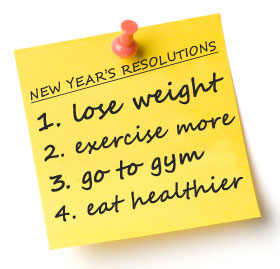
When walking my dog early morning in January, I'm always struck by the increase in the number of people heading to the gym.  It seems like the streets are almost crowded with yoga and exercise gear. Where were these people a few short weeks ago?   It's no surprise to hear that exercising more is one of the top three resolutions that Americans make according to a YouGov 2017 survey

In January, most hit the ground running (literally!) but for some maintaining that new years resolution isn't just about will power.  What if you have the desire to exercise more, but get really sob cough and get winded easily when doing so.  Could asthma be getting in the way of you goal of exercising more?   


I'm always surprised when I hear patients tell me that they aren't good at exercise.  Exercise can make anyone short of breath, but for many it can trigger an asthma attack. 

Some quick screening questions tell me that they might be suffering from a form of asthma known as exercise induced asthma.  

What is exercise induced asthma? 


  • A form of asthma where lungs become tight during asthma
  • As many as 90% of people who have asthma have a form of exercise induced asthma
  • For teenagers and young adults, exercise induced asthma is the most common cause of asthma symptoms. 
What are symptoms associated with exercise induced asthma?


  • Do you have cough, chest tightness or SOB associated only with exercise?
    • Does going outside on a cold day trigger a cough?
    • Are you sensitive to cold temperatures and dry air? 
    • Does air pollutants (tobacco smoke car pollution, and air quality issues) trigger symptoms?
                                                

    Do you suspect you have exercised induced asthma.  Are asthma symptoms getting in the way of your exercise goals for 2020?  
    Please let us help.  


    Need help managing your asthma?  Please visit click here to schedule an appointment. We will help you get to your next exercise goal.  Follow us at @gramercyallergy for allergy friendly tips!


    Want more help for Asthma and Allergies?  Gramercy Allergy and Asthma is an expert in treating all forms of asthma and allergy.  Schedule an appointment with us.  Dr. Jennifer Collins, MD,a Castle Connolly Top Doctor  We are ready to help you with your asthma.  Gramercy Allergy specializes in treatment of asthma and allergies in New York City  


    Tuesday, October 27, 2015

    How to Run a Race When You Have Asthma?


     Over 50,000 people will head out to run 26.2 miles around all five boroughs of New York City for the New York City Marathon.  Did you know that 10% of the people running on Sunday will have exercise induced asthma?  This is a disease where exercise triggers spasm, chest tightness and shortness of breath.  As if running 26.2 miles where hard enough, people with exercise induced asthma, need all the help  they can get to help prevent their symptoms. 


    Here are Five Tips to Help you Finish Strong this Weekend!

    1)     Stay Hydrated

    -Persons with exercise induced asthma get dehydrated faster.  When you lungs are dehydrated, this can trigger symptoms of asthma
    -A study from the University of Buffalo in 1999, showed that persons with asthma had improved lung function when they were hydrated.
    -Make sure all week long, you are drinking plenty of water.  Take water frequently along the run to keep your muscles and lungs well hydrated.


    2) Eat Diet Rich in Omega 3 Fatty Acids.

    - In a subset of people with exercise induced asthma, eating a diet rich in omega 3 fatty acids 3 weeks before exercising, reduced inflammation typically seen in mucus associated with asthma.  Lung function was improved and they used less rescue inhalers like albuterol.
    - Fish, flax seed oil, walnuts and chia seeds are all excellent sources of omega 3 fatty acids.


    3) Use Medications Early

    - Make sure you use your albuterol and other asthma medications at least 15 minutes before exercising.  This will keep you lungs open during your run.  
    -Check to make sure they haven't expired.
    -You may need a 2nd dose during the run.  Albuterol only lasts for 4 hours so if you are expecting your marathon time to be longer than that, make sure you give your self a 2nd dose at the 3.5 hour mark. 


    4) Warm Up Your Lungs

    -Warm up your lungs with light exercise 5-10 minutes the morning before your race.  This will help them get used to temperature changes.


    5) Check the Weather Report

    -When you have asthma, knowing what the weather’s going to be like is especially important.  In the early part of your run, you may need a scarf to help keep your lungs warm.  A scarf will help humidify and warm the air before it enters into your lungs.
    - Bring one you won’t care about loosing if you are running on Sunday. As the day warms, you may want to drop it. 
    -Look at the pollen counts.

    -If allergies are a trigger for your asthma, using your allergy medication can prevent you from having an allergy attack.  You’re covering a lot of ground running a marathon.  As New Yorkers, we know how drastically the weather can change around the city.  Make sure you look at all the areas your running through to keep yourself healthy.


    Good luck at your next race! Need other last minute tips before Sunday or your next race?  Call the office or click her to schedule an appointment.

    Friday, August 9, 2013

    Exercise Induced Asthma


    The weather in NYC these past few days has been beautiful! It's such a treat to go outside in August and not melt.  I'm seeing more and more New Yorkers outside running, rollerblading and biking and just enjoying the sunshine and late days.

    Every now and then, I'll see someone start coughing while they are exercising or reach for their inhaler.  I wonder, do they have exercise induced asthma?

    What Causes Exercise Induced Asthma?
    • As we breathe air through our noses, water is added so when it enters our lungs it humidified.
    • When we exercise, we use our mouth to breath and water isn't added to the breathe.
    • Some people (those with exercise induced asthma) are more sensitive to this "dry " air
    • The dry air causes the muscles in the lungs to contract making the air ways smaller.
    • This contraction and narrowing causes exercise induced asthma

    What are signs of Exercise Induced Asthma?
    • Cough
    • Increased fatigue
    • Chest Tightness
    • Shortness of breath
    • Wheezing
    All of these symptoms would occur with exercise

    Should I Avoid Exercise if I have Exercise Induced Asthma?
    • No!
    • Speak with your doctor or asthma specialist if you suspect you have exercise induced asthma
    • They'll put together a specific plan to help keep you moving and enjoying the summer days.
    Want to Learn more about Exercise Induced Asthma?

    Feel free to email me jcollins@gramercyallergy.com , book an appointment on line or give the office a ring at 212-679-3574.  We can put together a specific plan tailored your needs.