Logo

Logo
Showing posts with label gramercyallergy. Show all posts

Tuesday, March 29, 2016

What Are Hives?


What Are Hives?

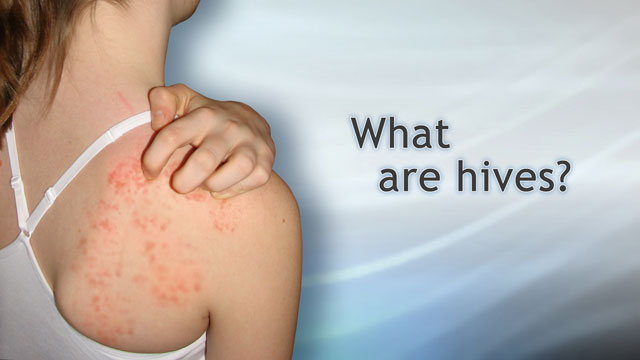
Hives, or urticaria, are itchy red bumps that often feel like your body is under attack. Approximately 20% of people will have an episode of hives at some point in their life.   There are many causes but all result from the release of a chemical in your skin called histamine.  The presence of free histamine in the skin causes welt like marks (hives) that are intensely itchy.  Sometimes there are specific triggers and other times, hives appear randomly leaving you covered with itchy red marks.  These attacks leave patients feeling helpless, itchy and desperate to find a cause and solution. 

What can you do if you have hives?  The first step is to try to identify the cause and learn what your triggers are.  Gramercy Allergy and Asthma  is here to help! Gramercy Allergy and Asthma  is a referral center for difficult to treat hives in NYC.  We’ve see all types of causes of hives and can help you get them under control.

What Are The Types of Hives?
1) Acute Hives
  • Last for less than 6 weeks in duration
  • Can be caused by allergic reactions like foods, food additives, medications, sunlight, bug bites, medications, infections or other medical problems like thyroid disease
  • Look like welts, redness and flushing in the skin.  Are often associated with burning, itching and heat.

2) Chronic Hives

  •  Are similar to acute hives, but last for more than 6 weeks in duration
  •  Occur daily to several times per week
  •  There's often no identifiable trigger of the hive and they occur randomly over the entire body.
  •  For some, hives are triggered by infection, thyroid disease, inflammation in the body,                exercise, sunlight, auto-immune disease, cold temperatures, vibration and other non-specific triggers like food preservatives and dye.


What should you do if you have hives? 
  • See your allergist.  They will help you to identify the cause, and establish treatment for you.
  • You should expect them to take a detailed history of potential causes, possibly test you for triggers, and check your blood for other potential causes.
  • There are medications that can help stop hives including antihistamines, leukotriene blockers and for some medications like omalizumab, anti-bodies to the IgE trigger of hives.  
Want Gramercy Allergy's help in treating your hives?  Gramercy Allergy is a referral center for difficult to treat hives and we are here to help.

Want more information on hives?  http://acaai.org/allergies/types/skin-allergies/hives-urticaria

Click here to schedule an appointment or visit our website gramercyallergy.com.
@gramercyallergy

Wednesday, January 27, 2016

Help the American Academy of Allergy Allergy Asthma and Immunology Save Patient access to Allergy Shots.

The American Academy of Allergy, Asthma & Immunology (AAAAI), a professional membership organization of more than 6,800 allergist/immunologists, is spreading the word that newly proposed regulations from the United States Pharmacopeia (USP) could dramatically limit patient access to allergen immunotherapy (allergy shots).
Help the AAAAI save patient access to allergy shots. Sign this petition to let USP know they should keep the existing requirements in place—and not move forward with these new proposed regulations.
What are allergy shots and who is proposing these new regulations?
Allergy shots, also known as allergen immunotherapy, are an important treatment for allergic diseases that has substantially improved patient care, reduced emergency room visits, decreased medication costs and decreased hospitalization.
As mentioned above, the new regulations are being introduced by the United States Pharmacopeia (USP). There is no data in the peer-reviewed medical literature that allergy shots have ever caused infections in patients, but this is the concern driving USP to propose these new guidelines.
Sign the Petition! #saveallergyshots
If these new regulations go into effect, how will it impact patients?
The more extensive procedures for mixing under the new regulations would make it highly unlikely that allergists would be able to continue to mix allergen extracts for their patients in the office setting.
Non-healthcare system employed physicians will have very limited options to secure allergy immunotherapy prescriptions for their patients. There are only two facilities that have been identified as resources for this service in the United States. Having to use outside facilities may limit the timelines of allergy shot treatment, among other consequences. Also Medicare currently does not cover allergen immunotherapy manufactured by a third party vendor. Thus, Medicare recipients, and potentially commercially insured patients, would no longer have allergen immunotherapy as a covered service. USP’s proposed requirements would directly transfer the cost of a previously covered benefit to the beneficiary. 
Sign the Petition! #saveallergyshots
What can I do to prevent these regulations from going into effect?
Again, sign this petition to let USP know: 1) you are concerned about how these proposed changes will impact patient access to allergen immunotherapy and 2) they should keep the existing requirements in place.
Sign the Petition! #saveallergyshots
Want more information about allergy shots and how they work?
Gramercy Allergy and Asthma hopes you gain control over your allergies in the new year.  We are here to help.   Call the office or click her to schedule an appointment.