Logo

Logo
Showing posts with label gramercy allergy. Show all posts

Monday, April 8, 2019

Gramercy Allergy's Five Best Tips To Beat Springtime Allergies in New York City

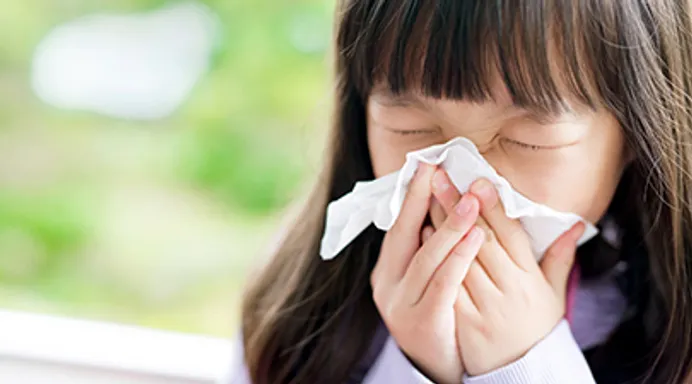
   Image result for Allergy kid


April showers bring about spring flowers, but also stuffy noses, itchy watery eyes, and terrible allergies for the more than 17 million allergy suffers in the United States.

This time of the year, everyone is trying to stay ahead of the pollen counts and prevent symptoms so they can enjoy spring rather then being sick from it.


1) Know What You Are Allergic Too
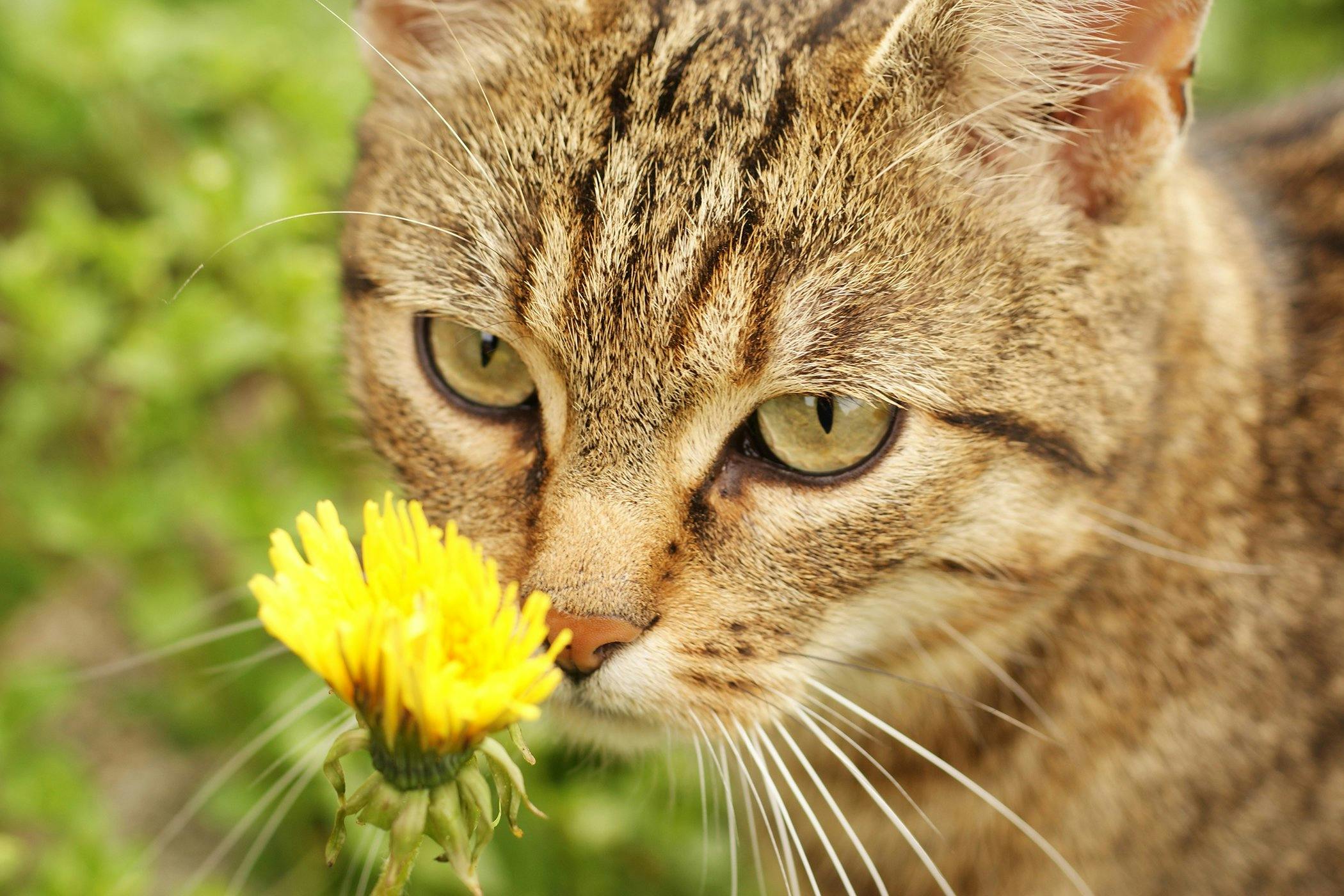
Image result for allergy to pollen


  • Do you feel like you're allergic to everything?  "When it comes to allergies, knowledge is power when it comes to allergies," says  Gramercy Allergies Dr. Meng Chen.  Being tested for allergies will help you predict before you start feeling sick from symptoms. 
  • Testing for allergies is done by putting droplets of different allergens on your arm/back.  You'll have a local reaction.  "By knowing what you are allergic to you can direct therapy in a specific way, rather then thinking you're allergic to everything" says Dr. Chen .  

2) Be Prepared Before Heading Outdoors

   Image result for kids in park

  • Don't think you have to say no to that picnic in the park or the soccer game after school, taking medications before you head outdoors is often pivotal in preventing an allergic reaction.  Most allergy medications work best if you use them before the allergy exposure.


3) Get Tech Savy with Your Allergies
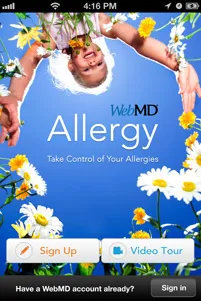
WebMD Allergy App Screenshot 1
  • Downloading an allergy app is an easy way of literally keeping pollen levels at your fingertips.
  •  Some of Dr. Jennifer Collins's favorite allergy app like Zyrtec AllergyCast, WebMD Allergy, WeatherBug Poncho: Wake Up Weather will help keep you prepared for what the week has ahead of you pollen wise
  • These are perfect for travel where you might not know what you're heading into. 


4) Rock out your inner moviestar with sunglasses

 Image result for picture of multiracial women with sunglasses

  • Not only will they keep you fashionable, they'll protect your eyes from the high pollen levels flying around the city.
  • "Look for ones with large lens to offer the most protection" says Dr. Meng Chen. 
  • Sunglasses act as a physical barrier to help protect eyes and were shown to help reduce overall needs of medications in a 2013 Turkish study.  

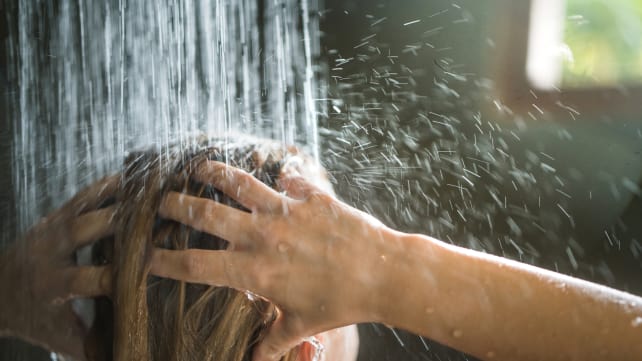
5) Scrub a dub dub.
      Related image


  • "Shower at night to wash the pollen off your hair and body.  This is key to keeping pollen out of your bed and continued exposure while you sleep," says Dr. Jennifer Collins, MD.  
  • If you don't have time to do a full shower, make sure you wash your face and brush your hair well before heading into bed. 
Gramercy Allergy hopes these tips help you enjoy the Spring!

Want more directed tips on springtime allergies?  Visit our www.gramercyallergy.com to schedule an appointment or call us today 212-679-3574 

Like us at https://www.facebook.com/gramercyallergy

Follow us @gramercyallergy

Tuesday, May 2, 2017

What is Thunderstorm Induced Asthma? #1in5


Did you see the lightening storm in NYC this past week?  Wow- it was amazing! The sky was filled with an amazing display of electricity and air with loud claps of thunder.   I really enjoyed watching it, but also waited for the second wave you may not know about...

The day after a thunder/lightening storm there is a  10 fold increase in asthma admissions to the emergency department!  Many patients this week are complaining of worsening asthma symptoms and may not make the connection between the nighttime storm and their asthma.

What's going on?

Many would think that the rain would "clean the air" of pollen and pollutants knocking the irritants from the air to the ground, but this is not the case.  Why do thunderstorms trigger asthma?


We don't know...

Some possible hypotheses on why thunderstorms trigger asthma are:
  • Perhaps it's a device used by nature to pollinate when there's water available for things to grow.
     
  • Others hypothesize that pollen grains rupture with contact from rain drops.  The pollen gets picked up by the winds occupied by the storm spreading.
  • Fungal and mold spores increase the day after a storm along with pollen counts.
  • Tree pollen spikes after a storm. 

Regardless of the reason, if you suffer from thunderstorm induced asthma, be prepared with your medications so you don't end up in the emergency room!

Here are some tips to prevent thunderstorm induced asthma:
  • Stay indoors the day after a storm
  • Have your medications on hand, make sure they aren't expired.
  • Keep your windows closed the day after the storm
  • Follow your asthma action plan
Most of all- if you are having signs/symptoms of asthma see your doctor.  Sadly, each day 9 people die from asthma.

Pollen counts continue to be very high in NYC.  Get help for your asthma and allergies in NYC with Gramercy Allergy.  Need help getting your asthma under control this spring or what other tips?  See an allergist and find relief! Gramercy Allergy and Asthma is ready to help you get control of your asthma.

Want to set up an appointment with Dr. Jennifer Collins, MD at Gramercy Allergy and Asthma?  Click here  We are located at 205 East 22nd Street, NY NY 10010


Monday, February 1, 2016

How To Make Chemical Free Cleaning Products


Does cleaning make your nose stuffy or trigger you to have an asthma attack?

As spring approaches, many of us are planning doing spring cleaning.  This is a dread for many with difficult to control asthma and allergies. Cleaning with strong chemical scents and fragrances triggers chest tightness, sob, and nasal congestion; for some it can land them in their doctors office or even lead to an emergency room visit.  They have difficult to control asthma and are frustrated by the these easily avoidable triggers.  They worry about the impact of these chemicals long term on their nose, lungs and skin.  Or they just want to reduced their overall chemical exposure for themselves and their family.

Here are some “home made” cleaning products that you can use to avoid the potent products available in the drugstores. These recipes can be made with simple products like white vinegar, borax, dishwashing soap, and water.  You'll need several labeled spray bottles to start.  You can purchase these from the dollar store.  

These easy to make products will keep your home smelling fresh while eliminating fumes and irritants that might trigger your asthma. Some people like to add a natural scent by using a drop of lavender or jasmine oil to the mix.  You can purchase these in a health food store.

If you do have to use strong products, make sure the area is well ventilated, you use the recommended amount, and you take frequent breaks.  It's helpful to use a mask as well.


Enjoy and happy cleaning!

Glass and mirrors:
  • 3 tablespoons of white vinegar + ¾ cup of water. Mix in a spray bottle
Countertops:
  • 2-3 drops of dishwasher soap, 3 tablespoons of white vinegar. Mix with water in spray bottle.
 Disinfectant for Toilets:
  • 1/4 baking soda + ½ cup white vinegar + 1 gallon of warm water
Or 
  • 1 can of coca cola (yes this does say coca cola- cola has the same acidity as  bleach!)
Mold and Mildew:
  • 1 tablespoon baking soda + 2 tablespoons White vinegar + 1 quart of water.  Mix in a spray bottle.
Floors:
  • 1 cup white vinegar + 1 gallon hot water mixed in a bucket


You can book your appointment here.

Like us on facebook gramercyallergy
or follow us on twitter @gramercyallergy

Tuesday, January 12, 2016

Why Should You Get Control Over Your Allergies in the New Year?

January is a time of resolutions and change.  The air is always a buzz with self reflection, inspiration, and people taking stock of their lives.  It's a time to ask yourself what's going well and where do you want to improve your life. The change in the calendar inspires us all to start fresh and change.  We tell our friends and family of our goals for the year hoping they'll support and encourage us.  These resolutions help drive the course for the new year and act as reminders of who we want to be and how we want to fill our year.


What are 5 reasons that getting control of your allergies may be one of the best decisions you make for 2016?

Uncontrolled Allergies Affect Our Day-to Day Life.
Those who suffer from allergies know how to well the social embarrassment of being on a day with a runny nose, a business meeting where you can stop sneezing our having to cancel a day to the park because of an asthma attack.  Allergies sufferers are often thought to have recurrent colds and to be sick all the time.  Allergies change our voice and the authority and confidence we present ideas with in meetings or school.  Asthma attacks and food allergies drive us to the emergency room every year.
Knowing what is triggering your symptoms and having a plan for prevention puts you back in control over the cause of these attacks. An allergist and immunologist will help you determine a specific plan to prevent your symptoms.  Treatments for allergies including action plans, environmental control measures, medications and immunotherapy (allergy shots).


Uncontrolled Allergies affect our sleep.
Daily fatigue and poor sleep is a common complaint of those who suffer from allergies.  Children and adults have difficulty concentrating during the daytime secondary to poor allergy control.  Nasal congestion during sleep and waking from sneezing can trigger snoring and sleep apnea.  Uncontrolled asthma can cause a persistent dry cough and frequent interruptions in your sleep cycle. Both of these disease leads to "allergic" inflammation that makes many feel groggy and tired.  Improved control over your asthma and allergies will improve your energy levels and focus.


Uncontrolled Allergies and Asthma are Preventing you From Exercising
So many of my patients tell me that they want to start to exercise, but feel they can't because of uncontrolled asthma or hives with exercise.    Asthma and hives are often triggered by exercise.  You don't have to have asthma at any other time other than during exercise to have exercise induced asthma.  Symptoms include chest tightness, air hunger, cough and shortness of breath.  Seeing an allergist will help you get control over your exercise induced symptoms so you can exercise and do the activities you want to do like hiking or run a race.
                        \

Your Allergies are Causing Skin Problems
Did you know that 12-17% of the population is affected with skin allergies including eczema  and chemical allergies.  Skin allergies cause social embarrassment, sleep disruption, and change the way we interact with others. Every day we put over 200 chemicals on our bodies that can cause allergic sensitization over time.  Treating skin allergies with topical steroids is only a band-aid approach- it stops the reaction, but does nothing to prevent it from happening in the future.    Knowing what is triggering the eczema or rash on your face and avoiding it can stop the cycle.  Seeing an allergist advice will help you determine the cause of your rash and how to prevent it from starting.


You Want to To Get Back to Nature
Many who suffer from allergy tell me how they dread the spring, summer and fall because despite wanting to go and enjoy nature, they get terribly sick from trips to the park, golf course, and being outside with their friends.  They say no to social engagements for fear of an allergy attack. They change the way they date because they are allergic to cats and dogs.  They suffer from "sinusitis" every spring and fall and have to take multiple courses of antibiotics before feeling well.Seeing an allergist now can help you put together a plan to prevent your symptoms.  Knowing what triggers your symptoms is the first step to taking back your life from you allergies.


Good luck with all of your resolutions in 2016! Gramercy Allergy and Asthma hopes you gain control over your allergies in the new year.  We are here to help.   Call the office or click her to schedule an appointment.


Tuesday, October 6, 2015

How Can you Be Prepared for an Allergy Free Fall?


October traditionally, associated with the start of fall, brings about a host of wonderful changes. Temperatures drop, leaves change, and winter squashes seem to appear everywhere overnight. There is excitement in the air brought in from storms and falling leaves.  Invitations for apple picking, hiking, hay rides and haunted houses abound.  For those with allergies, these drastic changes and invitations often leave with itchy eyes, asthma exacerbations and can trigger itchy skin.  Simply, Fall can be a bit perilous for those with asthma and food and skin allergies.

Some simple tips, can make sure you get to enjoy Fall & do participate in all the Fun!


How Can you be Prepared for an Allergy Free Fall?

Dealing with Asthma in the Fall:
  • Fall is a great time to check in with your allergist/asthma specialist

  • Make sure you get your flu shot! Those with asthma are more likely to end up hospitalized from the flu.  Stop by Gramercy Allergy anytime- we have the flu shot!

  • Wash your hands frequently.  This will help prevent you getting the common cold.

  • Roast some of those fall squashes- any orange colored vegetable is packed with Vitamins A, C and E- all essential for a health immune system.  Check out here for pumpkin recipes

  • Make sure your inhalers aren’t expired

  • Pack a scarf to protect your lungs from cold temperatures

  • Follow pollen counts for ragweed pollens and mold spores

If you have Skin Allergies & Eczema:
  •       Start a good moisturization routine weekly to keep your skin protected from the cooler temperatures. Extra moisture will help prevent your skin from becoming itchy.
  •            Change to a mild soap, use lukewarm showers and always moisturize before your skin dries out!
  •       Little time to moisturize?  Using baby oil in the shower is a quick and easy way to keep skin hydrated.  Just be careful- your tub can get slippery.
  •       Be careful with Halloween makeup- many have chemicals/dyes that can cause severe reactions that can scar.
  •       Check out for more specific tips.  How To Keep Your Skin Beautiful When You Have Eczema


If you have Fall Eye and Nose Allergies:
·        Get tested.  Knowing what’s triggering your allergies is the first way to avoid it.
·       Following pollen and mold spore counts can be the best way to stay ahead of allergens.
·       Use medications early.  Starting medications early will help prevent symptoms.
·       See your allergist for specific advice. 

If you have Food Allergies:
·       Be careful with Halloween candy.  This is often a common source of accidental exposure.

·       Participate in the Teal Pumpkin Project sponsored by FARE

·       Make sure your injectable epinephrine isn’t expired.

·       Look over Halloween candy to make sure it doesn’t contain hidden food ingredients that might make you sick.

Need specific advice on how to survive fall Allergy free?  Visit Gramercy Allergy- Union Square premier allergy office. We are located at 205 East 22nd Street NY NY 10010


Tuesday, September 22, 2015

What is The Teal Pumpkin Project?


·        Did you know that one in 13 children under the age of 18 years of age are affected from food allergies? 

·        This number is only on the rise and according the Centers for Disease Control and Prevention since 1997-2011, food allergies have increased by 50%. 

·        Sadly, we don’t know why these numbers are increasing. 

·        Children with food allergies often feel left out and isolated as it’s difficult for them to “share” food.  Halloween proposes a particular challenge for parents with food allergies.  The candy filled pumpkin offered up with generosity and fun is a perilous bowl of potential threats for those with food allergies.

·        Candy typically may contain milk, egg, soy, peanuts, tree nuts and latex, some of the most common causes of food allergies.
·        Launched as a national campaign by Food Allergy Research & Education (FARE) in 2014, the Teal Pumpkin Project™ raises awareness of food allergies and promotes inclusion of all trick-or-treaters throughout the Halloween season. 

           AMAZINGLY! Last year, households from 50 states and 7 countries participated in the Teal Pumpkin Project™ by putting out a teal painted pumpkin to signify that their treats were “food allergy safe”. This year, you can be part of an even bigger movement by joining 100,000 households pledging to participate in the Teal PumpkinProject™!


Gramercy Allergy and Asthma Took The Pledge Have You?

What Do You Have to Do To Participate in the Teal Pumpkin Project™?
·       Place a teal painted pumpkin outside your home or a sign signifying you have non-food related treats available to trick-or-treaters.

·       Take the Pledge!
     Join FARE and 100,000 other households across the USA in providing allergy free treats. 
·       Want to download a sign?  Visit the FARE website http://www.foodallergy.org/teal-pumpkin-project/downloads#.VgFbFt9VhBc


What are Some Easy Ideas for Non-Food Treats to use for the Teal Pumpkin Project™?
·        Glow sticks, bracelets, or necklaces
·        Pencils, pens, crayons or markers
·        Bubbles
·        Halloween erasers or pencil toppers
·        Mini Slinkies
·        Whistles, kazoos, or noisemakers
·        Bouncy balls
·        Finger puppets or novelty toys
·        Coins
·        Spider rings
·        Vampire fangs
·        Mini notepads
·        Playing cards
·        Bookmarks
·        Stickers
·        Stencils


How Can You Get More Involved with Food Allergy Awareness? 

Participate in the FARE WALK For Food ALLERGY- and Help us Say Farewell to Food Allergies. 

When? Saturday October 10, 2015

 Where? Westchester NY- Glen Island Park (Weyman Avenue, New Rochelle, NY 10801

Check In @ 1PM with Walk Ceremony starting 230.

Or visit the FARE Website

Need help managing specific food allergies?  Please visit click here to schedule an appointment.


* "The TEAL PUMPKIN PROJECT and the Teal Pumpkin Image are trademarks of Food Allergy Research & Education (FARE)."

Halloween and Food Allergy

Tuesday, September 15, 2015

What Are the Top 5 Ways that Allergies Can Make You Tired?


As New Yorkers, many of us are running on empty.  Work, social, and family demands are often great and push us to our limits. Many of us blame our lack of energy on "doing to much" and not taking enough downtown, but if you have uncontrolled allergies they actually may be contributing to your lack of energy and feeling of brain fog.


What are the Top 5 Ways that Allergies Can Cause You to be Tired?  


1) Nasal Congestion


Many over the counter and prescription allergy medications cause a side effect of drowsiness and fatigue.  This can happen suddenly, or with increased use over time.
Did you know that our beds are filled with allergic triggers such as dust mites, feathers, and pet dander.  These allergic triggers can cause severe nasal congestion that happens about 20-30 minutes after falling asleep.  A stuffy nose is the number one cause of sleep disturbances in allergy suffers.  Incorrect breathing, via your mouth or even snoring, can mimic sleep apnea, a dangerous condition.  

2) Post Nasal Drip

Many allergy suffers have a chronic post nasal drip.  During the day time it's less noticable then when lying flat because we swallow the mucous.  At night time, post nasal drip can cause throat itching and coughing that can wake you up from sleep.

3) Side Effects of Allergy Medications
Many over the counter allergies medications can have the side effect of fatigue and grogginess.  This can occur on the first dose or after long term use.

4) Production of Inflammatory Mediators From an Allergic Reaction

People who suffer from allergies have allergic inflammation in their bodies.  These inflammatory mediators are similar to those that our bodies produce during a cold or viral infection and can cause symptoms of feeling fatigue, brain fog, and feeling drained.

5) Night Awakenings from Coughing


Did you know that uncontrolled asthma can present just at nighttime with a dry cough or wheezing? This is called nocturnal asthma.  Asthma symptoms that seem worsen in the middle of the night, typically between 2AM and 4AM, are a significant cause of fatigue and poor sleep for those with allergies. Interestingly, nocturnal asthma can affect anyone with any type of asthma.  What might trigger the worsening asthma at night?  Sinus infections, post nasal drip and your body clock can trigger asthma.  

What should you do if you believe your allergies and asthma are triggering fatigue?
See an allergy specialist for full evaluation.  Poor sleep and fatigue is a leading cause of poor concentration at school and work.  By knowing what is triggering your symptom of fatigue and brain fog, you can avoid and treat the problem.

Want my help?  Please click here to make an appointment or visit gramercyallergy.com


Wednesday, July 29, 2015

Why do I have Itchy Water Blisters on My Hands and Feet?

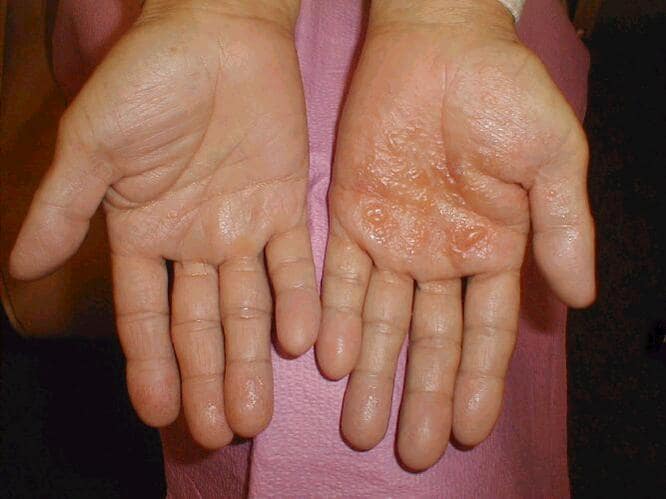
Summer and warm weather bring oh so much fun!  Everyone wants to catch up, vacation and spend as much time outside as possible.  For some though, the warm weather causes the recurrence of itchy water filled blisters appearing on their hands and feet.  These blisters look like grains of tapioca coming out of the skin.  The itch can be intense! And can cause many sleep disturbance, social embarrassment and disruption.  Symptoms start with intense burning and itching on the hands and feet.  Scratching will cause the appearance of water blisters underneath the skin.  Skin can be red and wet appearing.  Symptoms without treatment last about 3-4 weeks and then reoccur. 

What Are These Itchy Water Filled Blisters?
·       For most these water filled blisters are caused by a form of eczema called dyshidrotic eczema.
·       Other causes may be from fungal infection and other autoimmune diseases and should be evaluated by an allergist or other physician.


 Taken from http://emedicine.medscape.com/article/1122527-overview

Taken from http://images.medicinenet.com/images/slideshow/eczema-atopic-dermatitis-s13-photo-of-dyshidrotic-eczema.jpg


Who's Affected by Dyshidrotic Eczema?
·       About 50% of persons with dyshidrotic eczema will have a history of other allergic diseases like eczema, and allergies in the nose, eyes, or/or asthma
·       It affects men and women equally.
·       First episodes typically start anywhere from the 20’s to 40’s and reoccur each spring/summer
What Causes Dyshidrotic Eczema?
·       Causes are varied:
o   dysfunction of the sweat gland on the hands and feet
o   chemical allergy to metals (nickel allergy, cobalt allergy), and products like Balsam of Peru, preservatives and sunscreens we use just during the warmer months
o   Exposure to sun can trigger the onset of symptoms.
o   Stress can also bring out blisters.

Is There Treatment for Dyshidrotic Eczema?
·        Treatment depends on the cause of symptoms.
o   Evaluation for chemical allergy and/or other environmental triggers should be done by an Allergist
o   Evaluation for possible food allergy by an Allergist
o   Evaluation for potential fungal and/or bacterial infection
·        Avoidance of offending agent is key in prevent.  Topical use of corticosteroids, topical antibiotics, and/or UV light therapy may be helpful in prevention. 


Do you need help with your dyshidrotic eczema?  Please book book an appointment with Dr. Jennifer Collins for specific advice


Want more information? Check out the  National Eczema Association


Monday, June 22, 2015

Insect Allergy- What You Need to Know.


 Spending times outdoors this season is such a pleasure, but being bitten by insects can put a damper outside activities.
This is what you need to know now to protect yourself from reactions to insects.
What are signs and symptoms of an insect bite?
·       Pain, swelling and redness confined to the sting site
·       Intense itching at the site.
·       In severe cases, insect bites can cause severe allergic reactions that can result in death.
When Should You Be Worried about An Insect Sting?  
·       There are 3 types of reactions an insect can cause:  a local reaction, a large, local reaction and a systemic allergic reaction.
·       A normal local reaction will result in pain, swelling and redness confined to the sting site.
·       A large local reaction will result in swelling well beyond the sting site. For example, a sting on the forearm could cause the whole arm to swell - a condition that usually peaks two to three days after the sting and can last a week or more.
·       A systemic allergic reaction is the most serious and requires medical attention. Symptoms of a systemic allergic reaction can range from mild to severe.
·       If you’re worried at all, seek immediate medical advice.

What’s Most Likely to Bite Us?
·       Mosquitos, fleas, chiggers, and bed bugs- most likely will cause a local allergic reaction.
·       Wasps, yellow jackets, hornets, and bees are the cause of the majority of insect stings- sting insects that can cause a local and/or total body allergic reaction.  About 3 out of 100 adults have severe allergy to flying insects resulting in potentially deadly reaction. 
·       Fire Ants (red or black) - extend from the southern US up into NY.  Bites from these insects typically cause a blistering reaction.
How Can you Prevent Insect Stings/Bites?
  • Always wear shoes when walking in the grass. Many bees burrow in the ground and you can unsuspectingly step into their nest.
  • Wear bug sprays like Off or Deet.  Wary of harsh chemicals?  Geraniums and citronella are natural mosquito propellants.
  • Don’t drink from open soft drink cans; stinging insects are attracted to them and may crawl inside.
  • Cover food when eating outside.
  • Don’t use sweet-smelling perfume, hairspray or deodorant.
  • Avoid wearing brightly colored clothing with flowery patterns.
  • Protect your legs, arms and body with long pants/long-sleeved shirts when working outside.
  • Use caution near bushes, attics and picnic areas. 
How can you Treat Insect Bites?
Local and large local reactions can most likely be treated with OTC anti-histamines and topical steroids.  Some large local reactions will need medical care.
Systemic allergic reactions ALWAYS require medical attention.  Lifesaving epinephrine may be administered.  If you have a reaction, seek treatment from an allergist.  They have treatment that can potentially you of your insect sting.   

Need more help or have questions?  Schedule anappointment here.

Want more information?