Logo

Logo

Tuesday, October 27, 2015

How to Run a Race When You Have Asthma?


 Over 50,000 people will head out to run 26.2 miles around all five boroughs of New York City for the New York City Marathon.  Did you know that 10% of the people running on Sunday will have exercise induced asthma?  This is a disease where exercise triggers spasm, chest tightness and shortness of breath.  As if running 26.2 miles where hard enough, people with exercise induced asthma, need all the help  they can get to help prevent their symptoms. 


Here are Five Tips to Help you Finish Strong this Weekend!

1)     Stay Hydrated

-Persons with exercise induced asthma get dehydrated faster.  When you lungs are dehydrated, this can trigger symptoms of asthma
-A study from the University of Buffalo in 1999, showed that persons with asthma had improved lung function when they were hydrated.
-Make sure all week long, you are drinking plenty of water.  Take water frequently along the run to keep your muscles and lungs well hydrated.



2) Eat Diet Rich in Omega 3 Fatty Acids.

- In a subset of people with exercise induced asthma, eating a diet rich in omega 3 fatty acids 3 weeks before exercising, reduced inflammation typically seen in mucus associated with asthma.  Lung function was improved and they used less rescue inhalers like albuterol.
- Fish, flax seed oil, walnuts and chia seeds are all excellent sources of omega 3 fatty acids.


3) Use Medications Early

- Make sure you use your albuterol and other asthma medications at least 15 minutes before exercising.  This will keep you lungs open during your run.  
-Check to make sure they haven't expired.
-You may need a 2nd dose during the run.  Albuterol only lasts for 4 hours so if you are expecting your marathon time to be longer than that, make sure you give your self a 2nd dose at the 3.5 hour mark. 


4) Warm Up Your Lungs

-Warm up your lungs with light exercise 5-10 minutes the morning before your race.  This will help them get used to temperature changes.


5) Check the Weather Report

-When you have asthma, knowing what the weather’s going to be like is especially important.  In the early part of your run, you may need a scarf to help keep your lungs warm.  A scarf will help humidify and warm the air before it enters into your lungs.
- Bring one you won’t care about loosing if you are running on Sunday. As the day warms, you may want to drop it. 
-Look at the pollen counts.

-If allergies are a trigger for your asthma, using your allergy medication can prevent you from having an allergy attack.  You’re covering a lot of ground running a marathon.  As New Yorkers, we know how drastically the weather can change around the city.  Make sure you look at all the areas your running through to keep yourself healthy.


Good luck at your next race! Need other last minute tips before Sunday or your next race?  Call the office or click her to schedule an appointment.

Tuesday, October 13, 2015

Can You Prevent Allergy Prenatally?


Can You Prevent Allergies During Pregnancy?

Allergies are strongly influenced by genetics.  Did you know that a child has a 50% chance of having allergies their mom or dad have allergies; this increases up to 75% if both parents have allergies? Because of the strong influence of genes, many women with allergies ask me, “what can I do to prevent allergies in my baby?” 

Some believe that the diversity of bacteria living in our guts (our microbiome) influence the development of allergic disease (asthma, eczema and allergic rhinitis).  They hypothesis that these bacteria “teach” our immune systems how to differentiate safe from non-safe.  Changes to these bacteria may lead to dysfunctioning inmmune systems and thereby the development of allergies.  Using probiotics, the most popular being Lactobacillus, during and after pregnancy potentially can alter the development of allergies and asthma.
 
Probiotics in the Prevention of Allergy among Children in Trondheim, a group of researchers in Norway, wanted to look more into these question.  

Can Probiotics in Pregnancy Prevent the Development of Allergic Disease?
The Probiotics in the Prevention of Allergy among Children in Trondheim (ProPACT) study just released the follow up to their original study started in 2003.  They followed 415 pregnant women’s children from age 3 months to 6 years.  Moms were randomized to get milk with and without probiotics from 36 weeks gestation to 3 months after delivery.  

Can Probiotics Prevent Allergic Disease?
  • Researchers found that at 2 years of age, children who’s mom’s had received the milk fortified with probiotics had less eczema (OR 0.51, 95 % CI 0.30 – 0.87, p = 0.013).
  • At 2, there was no impact on asthma, allergic sensitization or allergic rhinitis/conjunctivitis
  • Follow up by questionnaire and exam at 6 years, 81 and 82 children (in the milk and milk with probiotic groups respectively) were re-assessed for the development of eczema, allergic sensitization asthma and allergic rhinoconjunctivitis.


What did They Find Out?
  • At age 6 there was a trend towards a reduction in eczema in school age children, but it was not statistically significant.

What’s the Bottom Line?
  • Perinatal supplementation with probiotics may prevent the onset of eczema, but has no effect on the development of asthma, allergic sensitization and allergic rhinitis/conjunctivitis.
  • The microbiome may have a role in the development and prevention of eczema.
  • We still have a lot to learn about prevention of allergic disease. Stay tuned to learn more about the microbiome and allergies.


Need specific advice regarding your allergies Click here to book an Appointment.


Tuesday, October 6, 2015

How Can you Be Prepared for an Allergy Free Fall?


October traditionally, associated with the start of fall, brings about a host of wonderful changes. Temperatures drop, leaves change, and winter squashes seem to appear everywhere overnight. There is excitement in the air brought in from storms and falling leaves.  Invitations for apple picking, hiking, hay rides and haunted houses abound.  For those with allergies, these drastic changes and invitations often leave with itchy eyes, asthma exacerbations and can trigger itchy skin.  Simply, Fall can be a bit perilous for those with asthma and food and skin allergies.

Some simple tips, can make sure you get to enjoy Fall & do participate in all the Fun!


How Can you be Prepared for an Allergy Free Fall?

Dealing with Asthma in the Fall:
  • Fall is a great time to check in with your allergist/asthma specialist

  • Make sure you get your flu shot! Those with asthma are more likely to end up hospitalized from the flu.  Stop by Gramercy Allergy anytime- we have the flu shot!

  • Wash your hands frequently.  This will help prevent you getting the common cold.

  • Roast some of those fall squashes- any orange colored vegetable is packed with Vitamins A, C and E- all essential for a health immune system.  Check out here for pumpkin recipes

  • Make sure your inhalers aren’t expired

  • Pack a scarf to protect your lungs from cold temperatures

  • Follow pollen counts for ragweed pollens and mold spores

If you have Skin Allergies & Eczema:
  •       Start a good moisturization routine weekly to keep your skin protected from the cooler temperatures. Extra moisture will help prevent your skin from becoming itchy.
  •            Change to a mild soap, use lukewarm showers and always moisturize before your skin dries out!
  •       Little time to moisturize?  Using baby oil in the shower is a quick and easy way to keep skin hydrated.  Just be careful- your tub can get slippery.
  •       Be careful with Halloween makeup- many have chemicals/dyes that can cause severe reactions that can scar.
  •       Check out for more specific tips.  How To Keep Your Skin Beautiful When You Have Eczema


If you have Fall Eye and Nose Allergies:
·        Get tested.  Knowing what’s triggering your allergies is the first way to avoid it.
·       Following pollen and mold spore counts can be the best way to stay ahead of allergens.
·       Use medications early.  Starting medications early will help prevent symptoms.
·       See your allergist for specific advice. 

If you have Food Allergies:
·       Be careful with Halloween candy.  This is often a common source of accidental exposure.

·       Participate in the Teal Pumpkin Project sponsored by FARE

·       Make sure your injectable epinephrine isn’t expired.

·       Look over Halloween candy to make sure it doesn’t contain hidden food ingredients that might make you sick.

Need specific advice on how to survive fall Allergy free?  Visit Gramercy Allergy- Union Square premier allergy office. We are located at 205 East 22nd Street NY NY 10010


Tuesday, September 22, 2015

What is The Teal Pumpkin Project?


·        Did you know that one in 13 children under the age of 18 years of age are affected from food allergies? 

·        This number is only on the rise and according the Centers for Disease Control and Prevention since 1997-2011, food allergies have increased by 50%. 

·        Sadly, we don’t know why these numbers are increasing. 

·        Children with food allergies often feel left out and isolated as it’s difficult for them to “share” food.  Halloween proposes a particular challenge for parents with food allergies.  The candy filled pumpkin offered up with generosity and fun is a perilous bowl of potential threats for those with food allergies.

·        Candy typically may contain milk, egg, soy, peanuts, tree nuts and latex, some of the most common causes of food allergies.
·        Launched as a national campaign by Food Allergy Research & Education (FARE) in 2014, the Teal Pumpkin Project™ raises awareness of food allergies and promotes inclusion of all trick-or-treaters throughout the Halloween season. 

           AMAZINGLY! Last year, households from 50 states and 7 countries participated in the Teal Pumpkin Project™ by putting out a teal painted pumpkin to signify that their treats were “food allergy safe”. This year, you can be part of an even bigger movement by joining 100,000 households pledging to participate in the Teal PumpkinProject™!


Gramercy Allergy and Asthma Took The Pledge Have You?

What Do You Have to Do To Participate in the Teal Pumpkin Project™?
·       Place a teal painted pumpkin outside your home or a sign signifying you have non-food related treats available to trick-or-treaters.

·       Take the Pledge!
     Join FARE and 100,000 other households across the USA in providing allergy free treats. 
·       Want to download a sign?  Visit the FARE website http://www.foodallergy.org/teal-pumpkin-project/downloads#.VgFbFt9VhBc


What are Some Easy Ideas for Non-Food Treats to use for the Teal Pumpkin Project™?
·        Glow sticks, bracelets, or necklaces
·        Pencils, pens, crayons or markers
·        Bubbles
·        Halloween erasers or pencil toppers
·        Mini Slinkies
·        Whistles, kazoos, or noisemakers
·        Bouncy balls
·        Finger puppets or novelty toys
·        Coins
·        Spider rings
·        Vampire fangs
·        Mini notepads
·        Playing cards
·        Bookmarks
·        Stickers
·        Stencils


How Can You Get More Involved with Food Allergy Awareness? 

Participate in the FARE WALK For Food ALLERGY- and Help us Say Farewell to Food Allergies. 

When? Saturday October 10, 2015

 Where? Westchester NY- Glen Island Park (Weyman Avenue, New Rochelle, NY 10801

Check In @ 1PM with Walk Ceremony starting 230.

Or visit the FARE Website

Need help managing specific food allergies?  Please visit click here to schedule an appointment.



* "The TEAL PUMPKIN PROJECT and the Teal Pumpkin Image are trademarks of Food Allergy Research & Education (FARE)."

Halloween and Food Allergy

Tuesday, September 15, 2015

What Are the Top 5 Ways that Allergies Can Make You Tired?


As New Yorkers, many of us are running on empty.  Work, social, and family demands are often great and push us to our limits. Many of us blame our lack of energy on "doing to much" and not taking enough downtown, but if you have uncontrolled allergies they actually may be contributing to your lack of energy and feeling of brain fog.


What are the Top 5 Ways that Allergies Can Cause You to be Tired?  


1) Nasal Congestion


Many over the counter and prescription allergy medications cause a side effect of drowsiness and fatigue.  This can happen suddenly, or with increased use over time.
Did you know that our beds are filled with allergic triggers such as dust mites, feathers, and pet dander.  These allergic triggers can cause severe nasal congestion that happens about 20-30 minutes after falling asleep.  A stuffy nose is the number one cause of sleep disturbances in allergy suffers.  Incorrect breathing, via your mouth or even snoring, can mimic sleep apnea, a dangerous condition.  

2) Post Nasal Drip

Many allergy suffers have a chronic post nasal drip.  During the day time it's less noticable then when lying flat because we swallow the mucous.  At night time, post nasal drip can cause throat itching and coughing that can wake you up from sleep.

3) Side Effects of Allergy Medications
Many over the counter allergies medications can have the side effect of fatigue and grogginess.  This can occur on the first dose or after long term use.

4) Production of Inflammatory Mediators From an Allergic Reaction

People who suffer from allergies have allergic inflammation in their bodies.  These inflammatory mediators are similar to those that our bodies produce during a cold or viral infection and can cause symptoms of feeling fatigue, brain fog, and feeling drained.

5) Night Awakenings from Coughing


Did you know that uncontrolled asthma can present just at nighttime with a dry cough or wheezing? This is called nocturnal asthma.  Asthma symptoms that seem worsen in the middle of the night, typically between 2AM and 4AM, are a significant cause of fatigue and poor sleep for those with allergies. Interestingly, nocturnal asthma can affect anyone with any type of asthma.  What might trigger the worsening asthma at night?  Sinus infections, post nasal drip and your body clock can trigger asthma.  

What should you do if you believe your allergies and asthma are triggering fatigue?
See an allergy specialist for full evaluation.  Poor sleep and fatigue is a leading cause of poor concentration at school and work.  By knowing what is triggering your symptom of fatigue and brain fog, you can avoid and treat the problem.

Want my help?  Please click here to make an appointment or visit gramercyallergy.com


Friday, September 4, 2015

My Recent WABC-TV New York View Point Interview - Talking Women Entrepreneurship and Vision for Gramercy Allergy and Asthma

My Recent WABC-TV Interview - Talking Women Entrepreneurship and Vision for Gramercy Allergy and Asthma


A lot of you know me as an Allergist and Immunologist but I’m also a small business owner.

This past Sunday, I joined Julie Weeks, research adviser to American Express OPEN and author of the 2015 State of Women- Owned Businesses Report, in-studio at WABC-TV’s “Viewpoint” program   to discuss women entrepreneurship in the New York metropolitan area and my vision for Gramercy Allergy and Asthma.

The interview with host Ken Rosato  centered around my thoughts on being a successful small business owner in New York City and  included my practice philosophy of spending time with my patients to better understand the impact of their allergies and asthma on their health.  I associated being an allergist with being a detective as the focus is on investigating what's trigging disease, rather than just masking symptoms with medications.  I also spoke to the benefits of being in private practice, such as  having more time to spend with my patients to fully investigate what is making them so sick.  The segment concluded with me addressing the keys to being a successful physician and entrepreneur, such as tapping a trusted network of mentors.  

Want to see the full interview?   WABC's New York View Point- Sunday August 30, 2015


Thursday, August 6, 2015

August is National Immunization Month- Why Should You Get Immunized?

August is National Immunization Month- Why Should You Get Immunized?

The month of August brings reminders and memories of back to school, meeting your fist college roommate or trying out for sports teams.  It’s also a great month to check in with your physician to make sure your vaccines are up to date.  The CDC has labeled August as National Immunization Awareness Month to raise the importance of vaccination not just in childhood, but through our entire lives.


Vaccination is one of the great victories in medicine in prevention of disease.   In 1000 AD, the Chinese and Turks began the practice of inoculation with small pox to prevent disease.  Edward Jenner didn’t bring vaccination to small pox into practice until 1796.  Since, we’ve expanded our ability to protect infants, teens and adults against many preventable diseases that before were serious and often led to death. 

Despite these advances, every year, thousands of children and adults in the US needlessly are sick and suffer and are hospitalized from diseases that could be prevented by vaccination.

What are A Few Reasons Why Vaccines Are So Important?
·       They help protect children, teens and adults against many serious and sometimes deadly diseases.
·       Vaccination to protect against 15 diseases is available in the United States.
·       Through this program many diseases such as measles, mumps rubella, influenza, and small pox that used to wreak havoc on communities have now been brought under control. 
·       They help prevent disease such as measles, mumps, rubella, tetanus, human papilloma virus, influenza, shingles, pneumonia caused by pneumococcal bacteria, hepatitis, and whooping cough

Despite knowing this we aren't doing a great job vaccinating adults.

According to CDC data, in 2013:
·       Only 17% of adults 19 years or older had received the tetanus and whooping cough vaccine (Tdap)
·       Only 24% of adults 60 years or older had received shingles (herpes zoster) vaccination. – National Health Interview Survey 2013
·       Only 21% of adults 19 to 64 years at high risk had received pneumococcal vaccination. – National Health Interview Survey 2013
·       Only 42% of adults 18 years or older received a flu vaccine during 2013-2014
vaccination. – National Health Interview Survey 2013

·       The importance of vaccination ends in childhood
o   Adults should continue to receive vaccinations depending on their health age, and occupation throughout their life
o   Common vaccines for adults include: influenza, pneumonia (Pneumovax), shingles, hepatis B, and whooping cough.  Speak with your doctor to make sure yours are up to date.
o   Check out the CDC's Vaccine Scheduele for Adults to see what vaccines you should have received
·       I’m Egg Allergic and Can’t Get the Flu Vaccine
o   Speak with your allergist regarding specific advice regarding vaccination for flu and egg allergy.

·       Vaccination is dangerous and can lead to disease
o   Vaccines are thoroughly tested before licensing and carefully monitored even after they are licensed to ensure that they are very safe
o   Side effects from vaccines are usually mild and temporary.
o   Some people may have allergic reactions to certain vaccines, but serious and long-term side effects are rare.

·       Vaccination will weaken my immune system
o   Vaccination will not weaken your immune system.  Vaccines act like germs to stimulate the immune system against the virus or bacteria so it will mount a response and offer protection against disease.  Vaccines strengthen your body’s response against these illnesses.

·       Vaccination can cause autism

o   No.  Vaccination does not cause autism.

o   Numerous studies have found no link between vaccination and autism.  In 2004, a groundbreaking study from the Institute of medicine found that thimerosal (a preservative in vaccines) does not cause autism.

Have specific questions about vaccine and the importance of them?  Speak with your doctor to get accurate information or look at the CDC’s website.

If you need vaccines, have questions regarding allergy to vaccines, or have questions about vaccines, contact us and we'll help! Want more specific advice on vaccination with one of New York’s Top Allergist?  Visit our website http://www.gramercyallergy.com or click here to schedule an appointment online.


Tuesday, August 4, 2015

How Can You Conquer Exercise Induced Asthma?


The benefits of exercising outside are many.   Conquering a hill or moving against the wind can intensifies a workout.   Not only is the workout harder, but recent studies suggest that exercising outdoors over indoors boosts their mood and overall well being. The simple act of taking a walk outside increased participates self esteem, and energy while decreasing depression, anger and tension.
For many though, exercising outdoors and exercise in general is a potential trigger for asthma.  This is called exercise induced asthma.


Did you know?
  • About 12-15% of athletes  will have exercise induced asthma.
  • Allergic and non-allergic triggers of exercise induced asthma can trigger symptoms of cough, shortness of breath, chest tightness, and wheezing.  
  • Persons with exercise induced asthma often don't have regular asthma and often only have symptoms during exercise.  


How Do You Know If You Have Exercise Induced Asthma?  
Ask yourself a few simple questions.  If you answer yes, then speak with your Allergist about being screened.  
  • Do you have cough, chest tightness or SOB associated only with exercise?
  • Does going outside on a cold day trigger a cough?
  • Are you sensitive to cold temperatures and dry air? 
  • Does air pollutants (tobacco smoke car pollution, and air quality issues) trigger symptoms?
How Are you Diagnosed with Exercise Induced Asthma?
  • See your allergist for a complete health history and testing.
  • Have a breathing test (Spirometry) done
  • A follow up test after exercise may be performed.
What Can You Do to Prevent Exercise Induced Asthma?
  • Warm up slowly to humidify the air in your lungs
  • Make sure you add a cool down period into your routine
  • Check pollen and air quality levels prior to heading out
  • Speak with your Allergist about setting up an individualized plan to prevent symptoms and keep you performing at your best!
Want more specific advice on exercise induced asthma with New York’s Top Allergist?  Visit our website http://www.gramercyallergy.com or click here to schedule an appointment online.

Want more information on Exercise Induced Asthma?

Wednesday, July 29, 2015

Why do I have Itchy Water Blisters on My Hands and Feet?

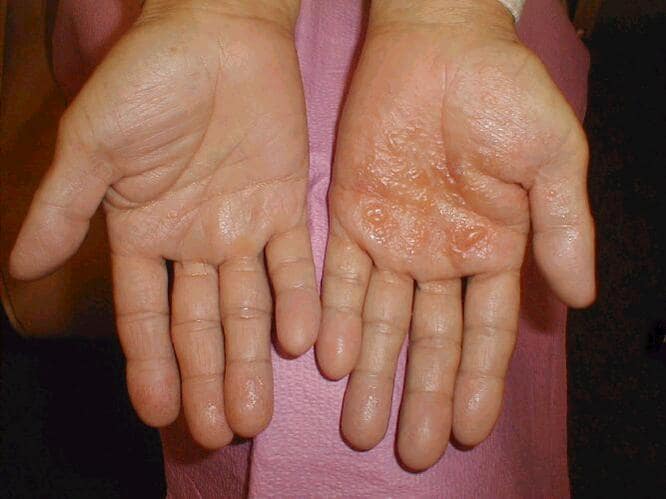
Summer and warm weather bring oh so much fun!  Everyone wants to catch up, vacation and spend as much time outside as possible.  For some though, the warm weather causes the recurrence of itchy water filled blisters appearing on their hands and feet.  These blisters look like grains of tapioca coming out of the skin.  The itch can be intense! And can cause many sleep disturbance, social embarrassment and disruption.  Symptoms start with intense burning and itching on the hands and feet.  Scratching will cause the appearance of water blisters underneath the skin.  Skin can be red and wet appearing.  Symptoms without treatment last about 3-4 weeks and then reoccur. 

What Are These Itchy Water Filled Blisters?
·       For most these water filled blisters are caused by a form of eczema called dyshidrotic eczema.
·       Other causes may be from fungal infection and other autoimmune diseases and should be evaluated by an allergist or other physician.


 Taken from http://emedicine.medscape.com/article/1122527-overview

Taken from http://images.medicinenet.com/images/slideshow/eczema-atopic-dermatitis-s13-photo-of-dyshidrotic-eczema.jpg


Who's Affected by Dyshidrotic Eczema?
·       About 50% of persons with dyshidrotic eczema will have a history of other allergic diseases like eczema, and allergies in the nose, eyes, or/or asthma
·       It affects men and women equally.
·       First episodes typically start anywhere from the 20’s to 40’s and reoccur each spring/summer
What Causes Dyshidrotic Eczema?
·       Causes are varied:
o   dysfunction of the sweat gland on the hands and feet
o   chemical allergy to metals (nickel allergy, cobalt allergy), and products like Balsam of Peru, preservatives and sunscreens we use just during the warmer months
o   Exposure to sun can trigger the onset of symptoms.
o   Stress can also bring out blisters.

Is There Treatment for Dyshidrotic Eczema?
·        Treatment depends on the cause of symptoms.
o   Evaluation for chemical allergy and/or other environmental triggers should be done by an Allergist
o   Evaluation for possible food allergy by an Allergist
o   Evaluation for potential fungal and/or bacterial infection
·        Avoidance of offending agent is key in prevent.  Topical use of corticosteroids, topical antibiotics, and/or UV light therapy may be helpful in prevention. 


Do you need help with your dyshidrotic eczema?  Please book book an appointment with Dr. Jennifer Collins for specific advice


Want more information? Check out the  National Eczema Association